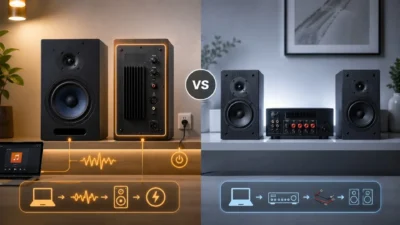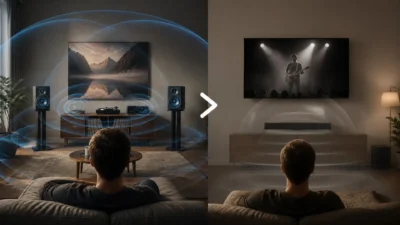
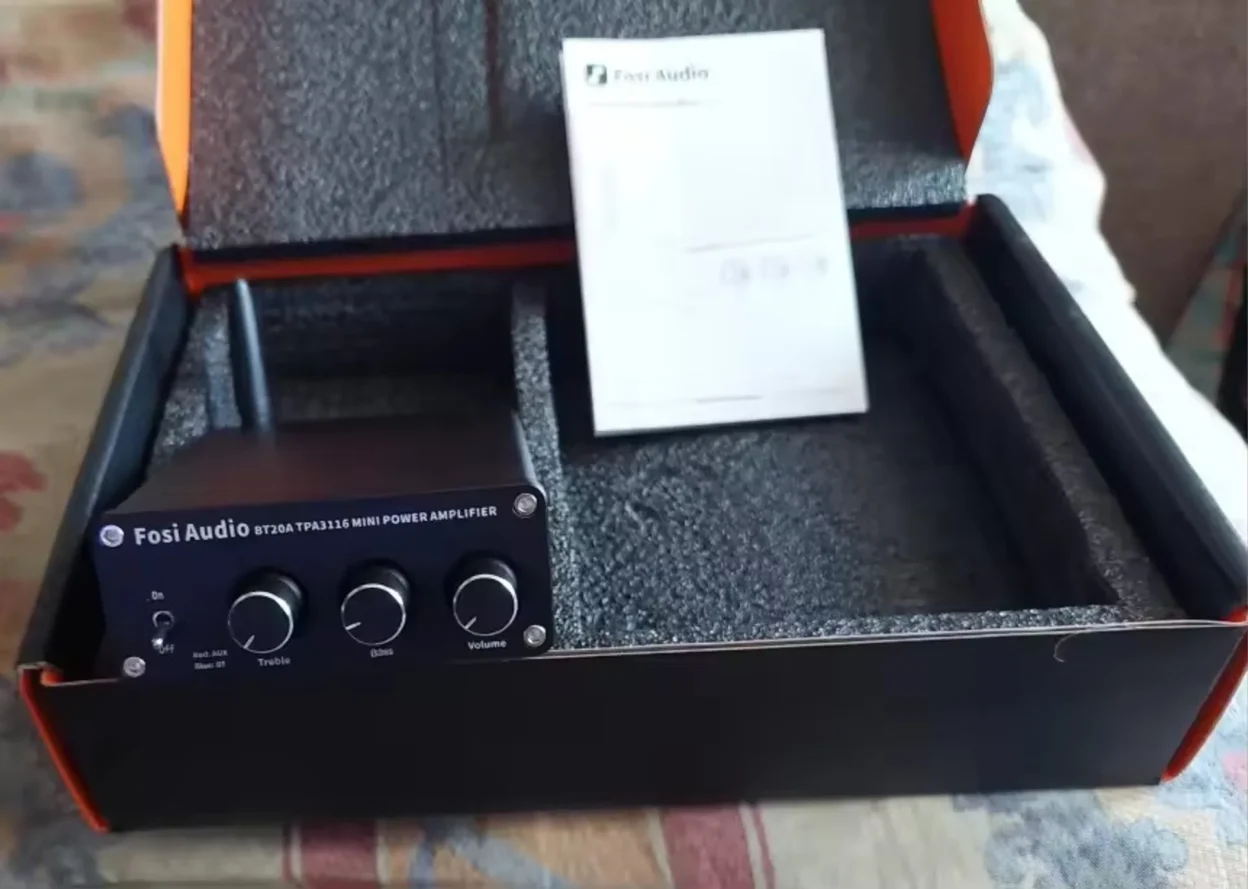
Fosi Audio BT20A is one of those products that keeps showing up for a reason: it is small, cheap, simple, and good enough for a lot of real rooms. It is not a luxury amp, not a statement piece, and not particularly pretty. But if your goal is to run passive speakers on a tight budget, it gets the job done.
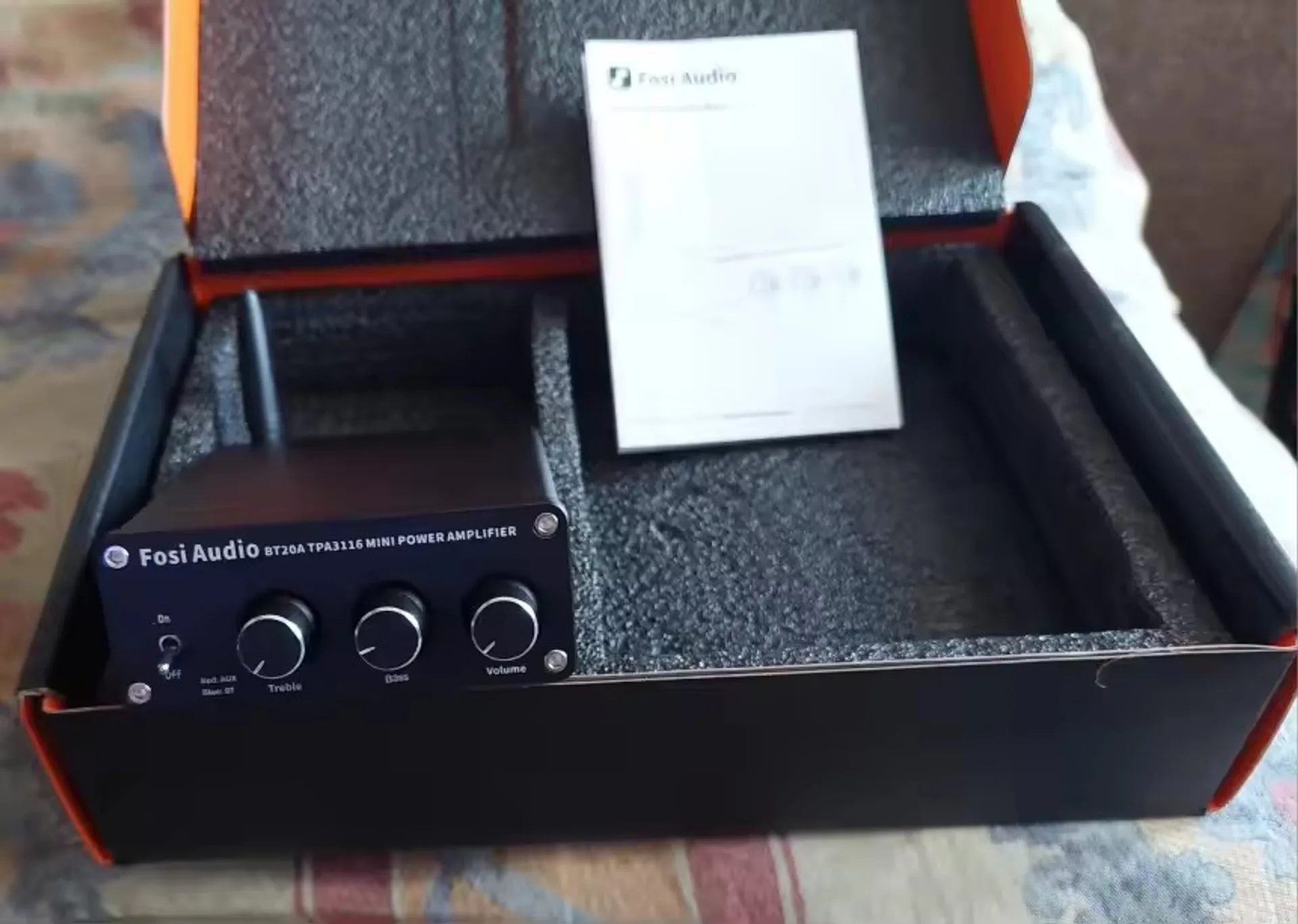
What BT20A is (and is not)
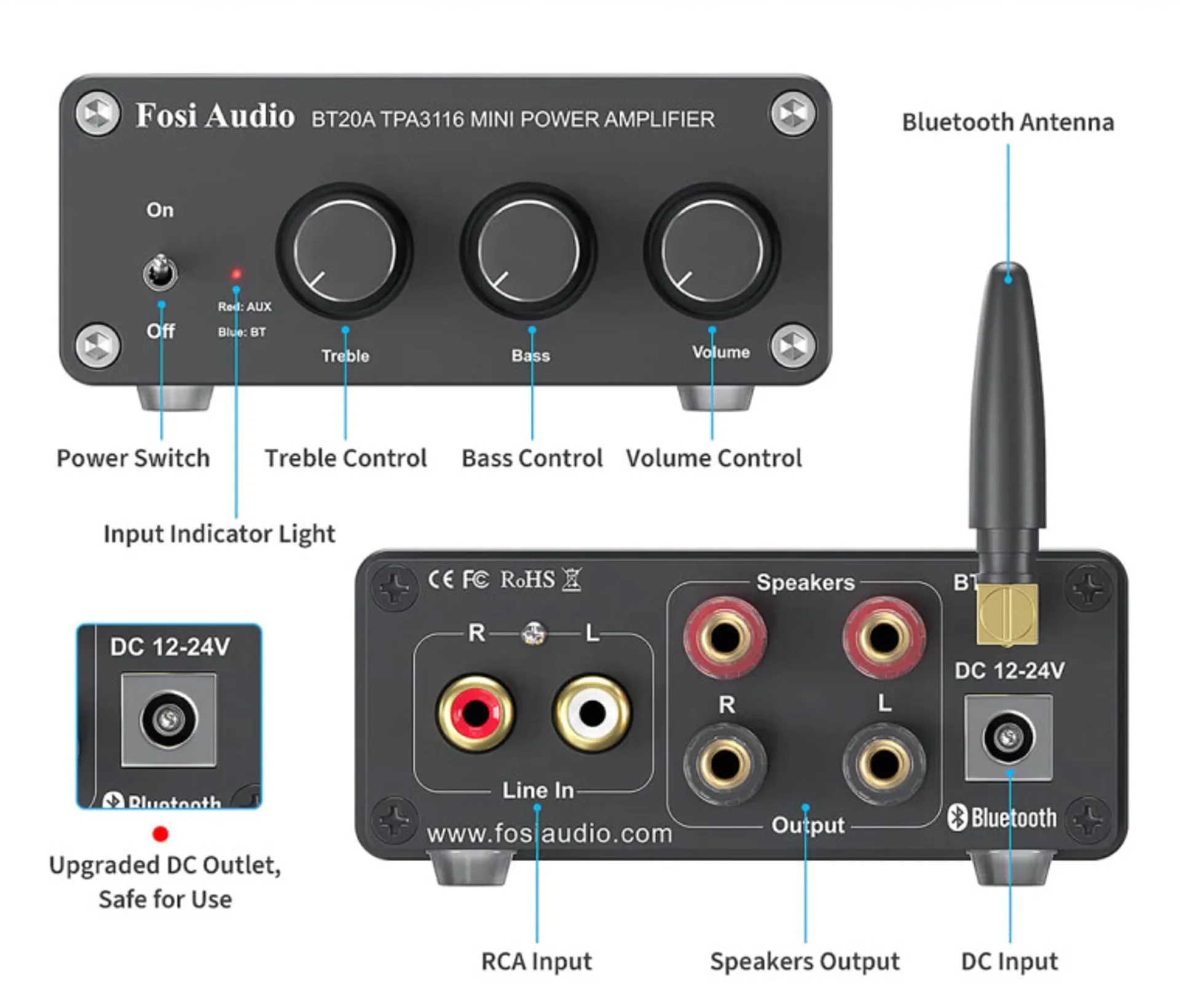
BT20A is a compact 2-channel Class-D amplifier using TI’s TPA3116 family, with Bluetooth and a single analog RCA input path. The whole concept is low-friction ownership: turn it on, connect passive speakers, and play music without spending much.
- Core use case: budget passive speaker systems
- Common placement: desk, bedroom, small apartment, secondary room
- Not designed for: high-end source switching, remote-heavy workflows, luxury build expectations
If you want broader brand context, see what Fosi Audio is and how they keep prices low.
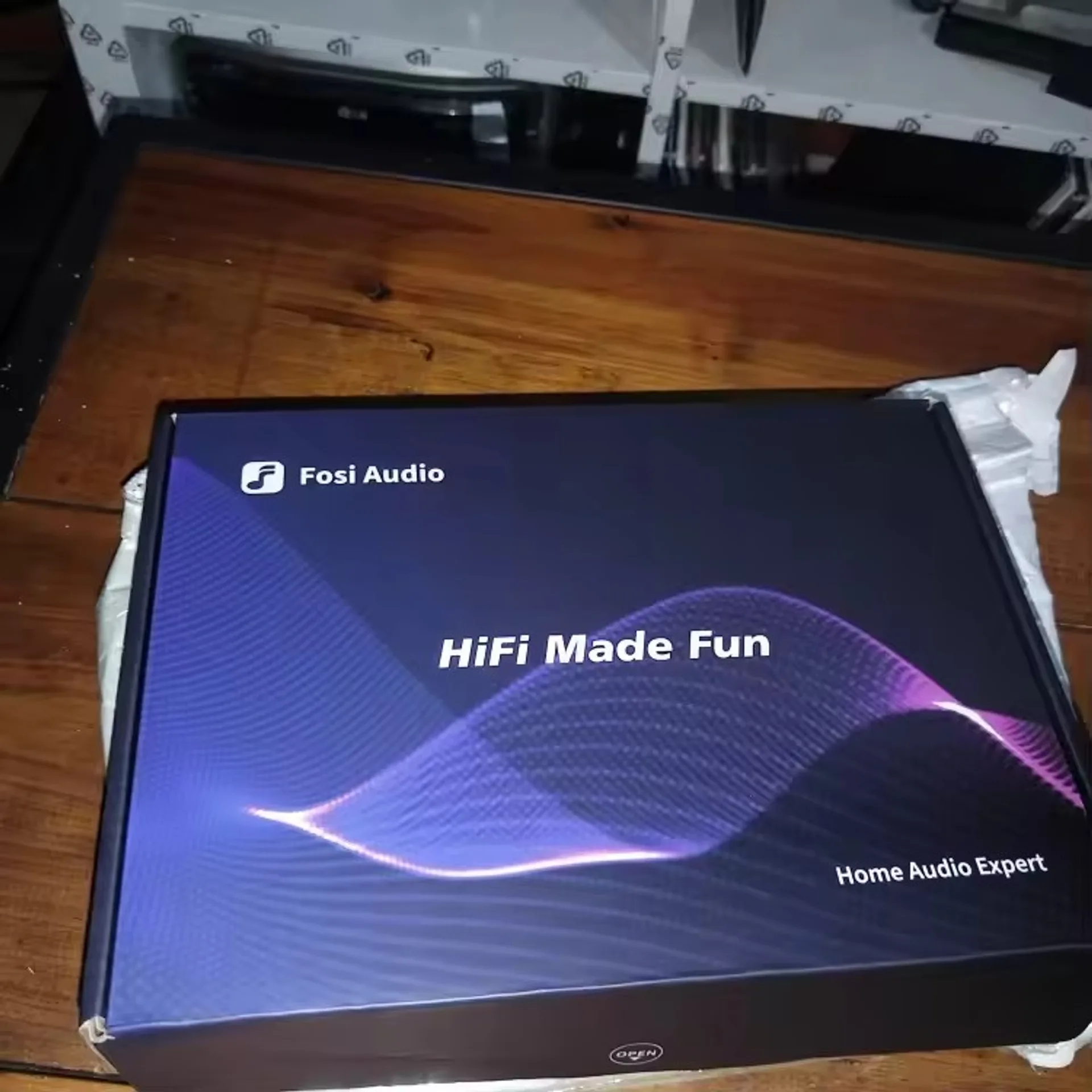
Author experience summary
Your stated experience is consistent with where BT20A sits in the market: small footprint, basic design, not visually special, and a sound profile that is acceptable rather than outstanding. The important part is value alignment: at this price level, expecting reference-grade refinement is unrealistic.
Put simply: BT20A is easy to justify when budget is the main constraint. It is harder to justify when aesthetics, premium feel, or maximum detail retrieval are top priorities.
Specs and practical limits
Official listing and deal coverage commonly cite output around 100W x 2 (4 ohm, with bundled 24V supply and specific distortion conditions), plus tone controls, Bluetooth 5.0-class connectivity, and compact power requirements.
| Area | Typical BT20A behavior | What that means in practice |
|---|---|---|
| Power | Strong on-paper wattage for a small amp | Works well with efficient bookshelf speakers in small/medium spaces. |
| Inputs | Bluetooth + analog RCA only | Simple, but limited if you need many wired digital sources. |
| Sound character | Energetic, direct, budget-friendly tuning | Good everyday listening, less depth/microdetail than higher-tier amps. |
| Build and UX | Compact and basic industrial design | Function-first product; no premium luxury feel. |
If you need more routing or modern source integration, stepping up to products like Fosi S3 or combining BT20A with a separate front-end (DAC/streamer) often makes more sense.
External review synthesis
Across review sources, the pattern is consistent: BT20A is repeatedly described as surprisingly competent for the money, with enough drive for common passive bookshelf speakers, decent tonal flexibility via bass/treble controls, and low ownership friction.
Common caveats also repeat: limited feature depth, no high-end refinement, and a ceiling in staging sophistication compared with more expensive designs. That is exactly the kind of compromise profile expected in this segment.
Neowin deal coverage reinforces the value narrative: the product frequently appears in “lowest-price” deal cycles, which is part of why it remains popular among first-time passive speaker buyers.
Who should buy, who should skip
Buy if you:
- Need a cheap, compact amp for passive speakers right now.
- Listen at normal home volumes in small to medium rooms.
- Care more about value and convenience than premium finish.
Skip if you:
- Want a beautiful chassis and premium tactile quality.
- Need multiple digital inputs, remote-heavy control, or integrated streaming.
- Expect high-end layering, depth, and tonal sophistication.
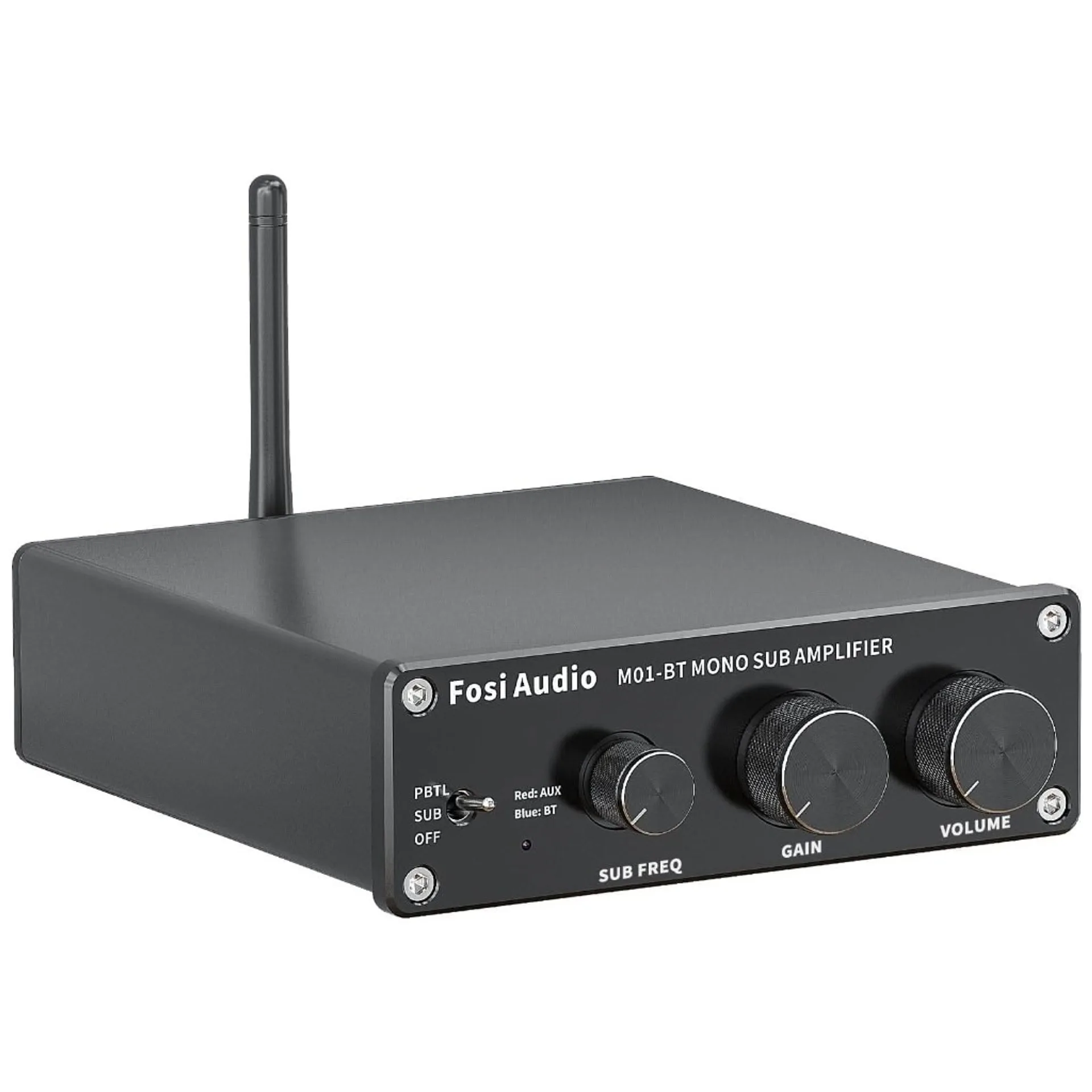
For adjacent upgrade paths, see Fosi subwoofer amp options or the more feature-rich Fosi Merak ecosystem direction.
FAQ
Is BT20A good for first-time passive speaker users?
Yes. It is one of the easiest low-cost entry points for basic passive speaker setups.
Is the sound quality excellent?
No, not in high-end terms. It is decent for the price and category, which is exactly why people keep recommending it.
Can BT20A power large speakers?
It can run many speakers at normal listening levels, but final performance still depends on room size, speaker sensitivity, and volume expectations.