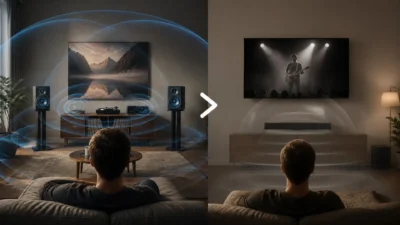
Active vs passive speakers is not just a spec-sheet difference. It changes where system complexity lives, how you debug bad sound, how much you can upgrade in stages, and how much risk you take on amp/speaker mismatch. If you are deciding between KEF, Kanto, DALI, Dynaudio, Klipsch, or similar brands, this is the framework that keeps you from buying twice.
Core model: where the complexity lives
Most buying confusion disappears once you ask one question: where do you want complexity to live?
- Passive architecture: complexity lives in your rack (amp choice, gain staging, cable runs, component synergy).
- Active architecture: complexity lives in the speaker design process (factory amp-driver matching, crossover strategy, DSP behavior).
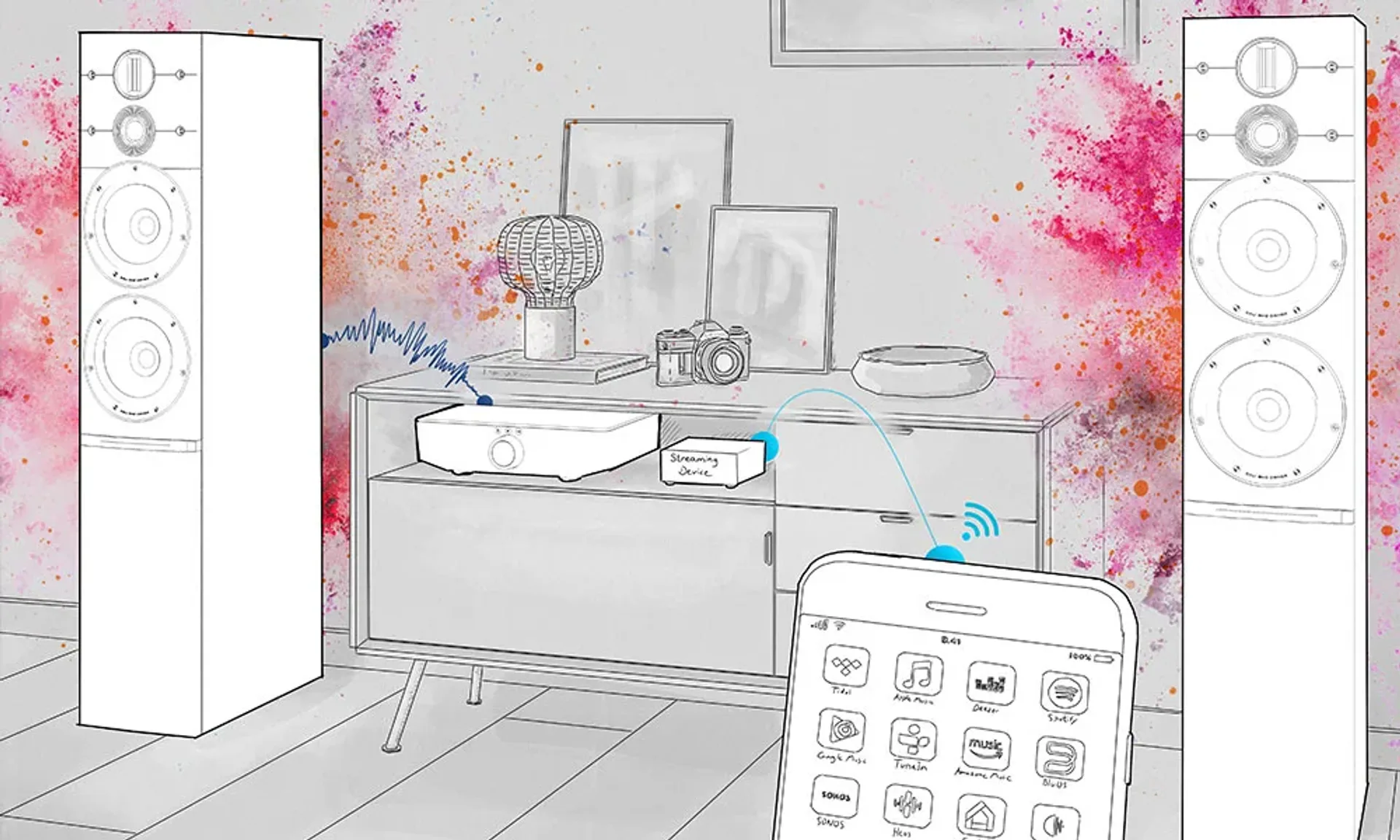
- Wireless active architecture: complexity moves further into software/ecosystem layers (apps, hubs, firmware, network behavior).
DALI’s educational breakdown is clear on this logic: passive and active both can be excellent, but they optimize for different ownership styles. If you love tweaking, passive is freedom. If you want predictable performance with fewer variables, active is usually lower-friction.
Signal-flow anatomy (passive vs active)
A lot of online advice ignores signal flow. It should be the first thing you inspect.
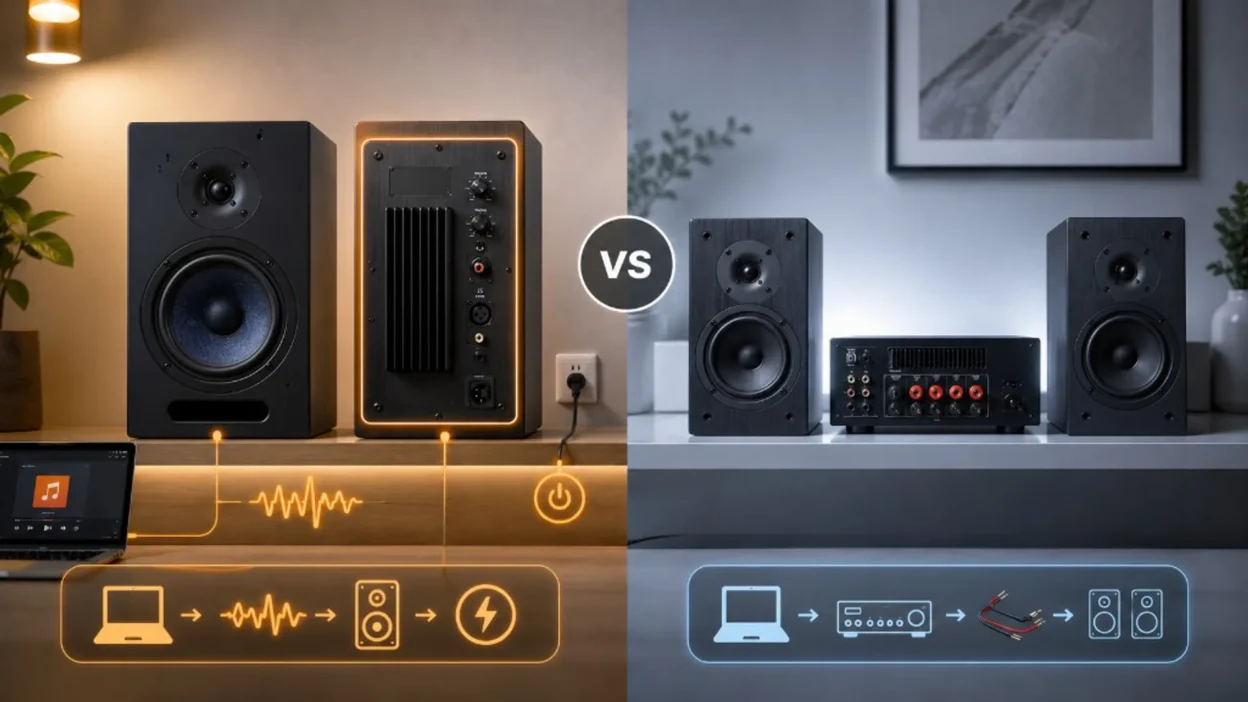
Passive signal flow
Source / streamer / DAC → power amplifier → speaker cable → passive crossover inside speaker → drivers.
- The amp sees the whole music signal and the speaker load behavior.
- The crossover splits frequencies after power amplification.
- Part of filtered energy is dissipated as heat in crossover components.
Active signal flow
Source / streamer / preamp → active crossover / DSP → separate amp channels → drivers.
- Frequency bands are split before power amplification.
- Each driver section receives power from a dedicated amplifier channel.
- Designers can tailor amp behavior to bass vs tweeter demands.
Genelec’s active-crossover notes align with the same principle: filtering at low signal level creates a different control regime than passive post-amp crossover networks.
Technical trade-offs that matter in real rooms
Below are the trade-offs users actually hear in day-to-day use, beyond marketing language.
1) Bass control and driver damping
In active systems, dedicated low-frequency amplification and DSP control can improve bass discipline, especially at moderate-to-high levels. In passive systems, bass control depends heavily on amplifier current delivery, output stage quality, and speaker impedance behavior.
2) Midrange clarity under complex mixes
DALI highlights a useful point: in one full-range amp, heavy bass demand can make subtle mid/treble information feel less focused. Active band-splitting reduces this interaction by assigning workloads before amplification.
3) Distortion behavior at high SPL
Neither architecture is immune to distortion. Passive systems can clip the external amp if headroom is insufficient. Active systems can hit built-in amplifier or DSP limits. The difference is where failure appears and how recoverable the path is for your budget.
4) Latency and AV synchronization
Wired active systems usually have manageable latency for music. Wireless active and network-heavy ecosystems may introduce variable latency and sync dependencies, which matters for TV lipsync or mixed-use desktop setups.
5) Noise floor and gain structure
Active systems can be very quiet, but they also add more internal electronics and gain stages. Passive systems can be dead silent or noisy depending on amp quality, grounding, cable runs, and source output levels.
Cost and upgrade lifecycle (3-5 year view)
Sticker price alone is misleading. A fair comparison must include the full system path.
Passive path (modular CAPEX)
- Initial purchase can start lower if you already own an amp.
- Upgrades are incremental: amp first, speakers later (or reverse).
- Risk: mismatch cycles and repeated spending to “fix synergy.”
Active path (front-loaded integration)
- Higher up-front buy for complete speaker + amplification solution.
- Lower trial-and-error cost in many cases.
- When upgrading, replacement tends to be larger step changes.
Wireless active path (convenience premium)
- Often fastest path to clean-room setup and minimal visible hardware.
- Possible dependency on hub/app/firmware ecosystem longevity.
- Great for non-tweaker households; less ideal for constant hardware experimentation.
Brand ecosystems: KEF, Kanto, DALI, Dynaudio, Klipsch
Brand strategy matters because each company draws the active/passive line differently.
KEF
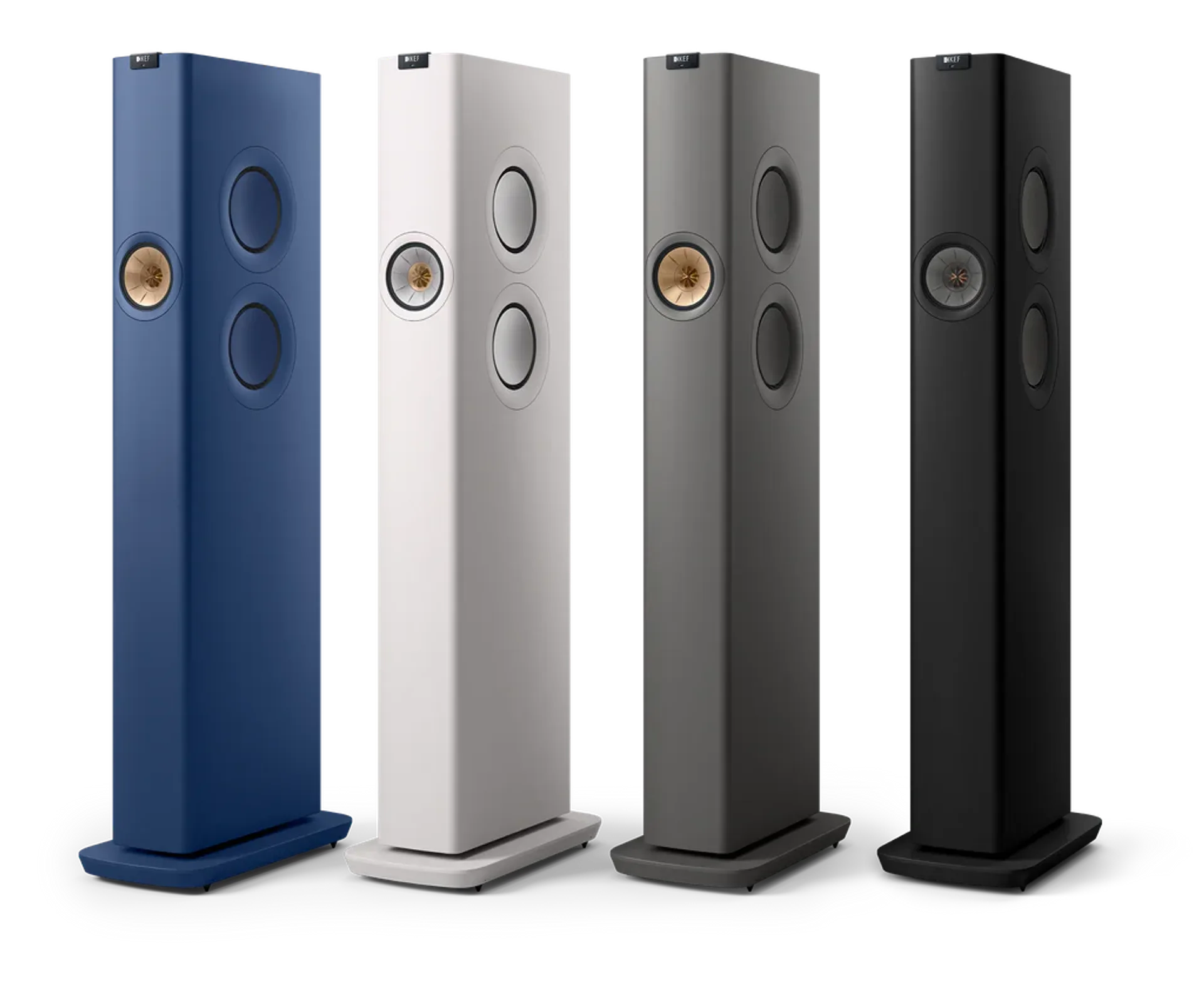
KEF is one of the clearest examples of parallel strategy: strong passive heritage plus highly visible active wireless families. If you want “audiophile tuning with integrated convenience,” KEF’s active lines are often short-listed. If you want long-term component upgrades, KEF passive + separate amplification remains a traditional route.
Kanto
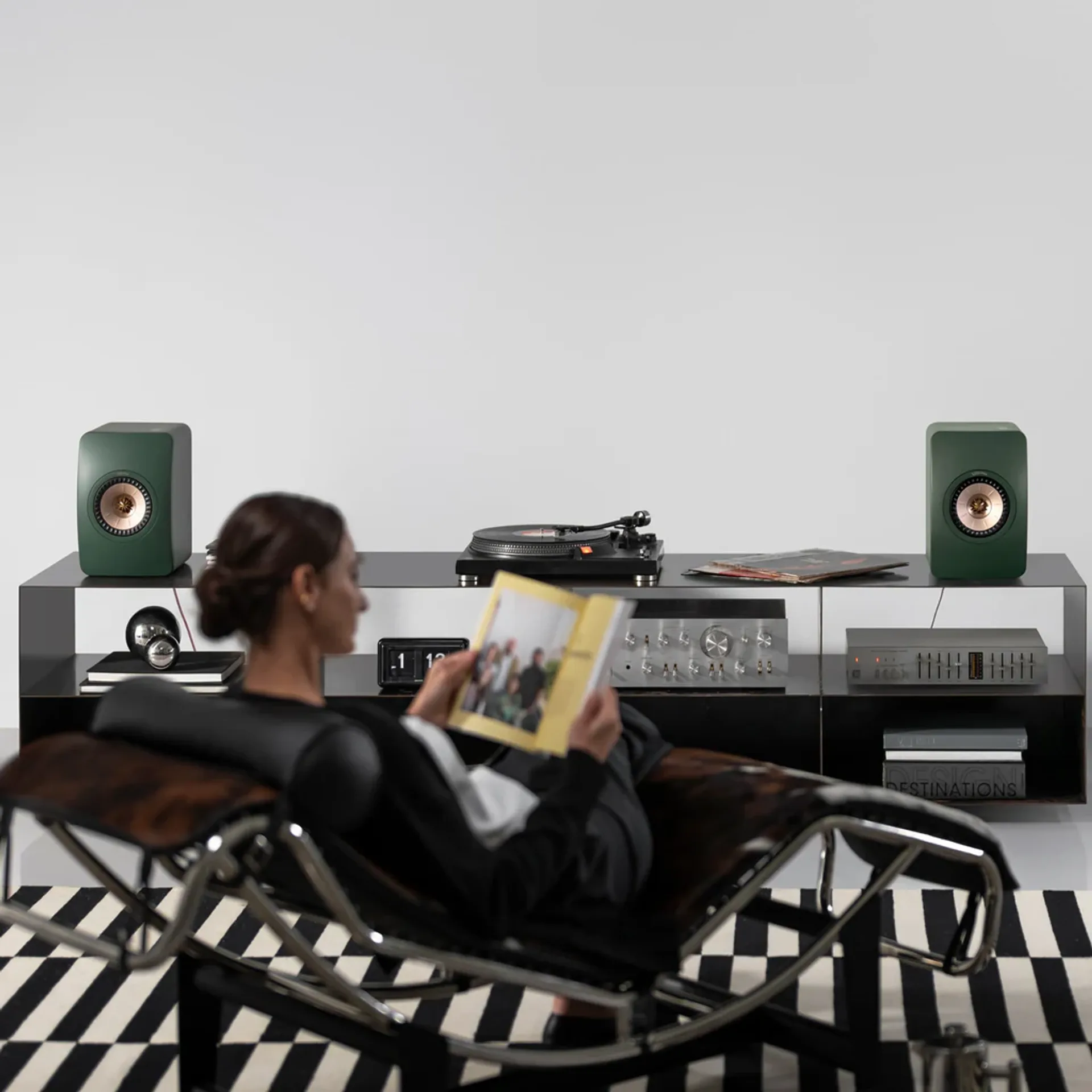
Kanto is frequently chosen by desktop and small-room users because the value proposition is practical: compact powered speakers for low-friction use, plus passive options for users who want to bring their own amplifier. In this segment, room size and distance-to-listener matter more than spec bragging.
DALI
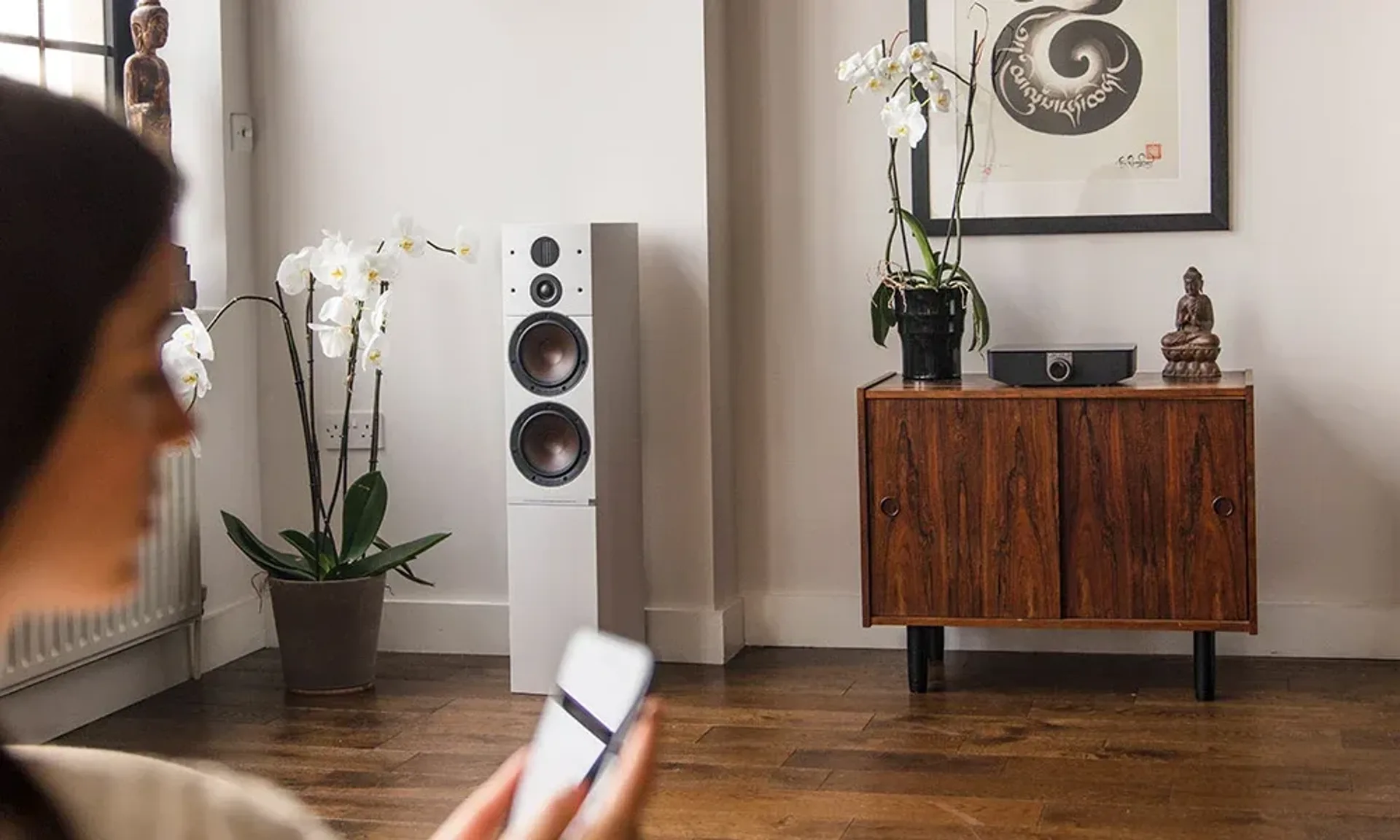
DALI’s education-first framing is useful because it avoids architecture tribalism. The key takeaway from their active/passive article is that both routes are valid, but they solve different ownership problems. DALI also emphasizes the lifestyle benefit of wireless active systems where visual clutter is a real constraint.
Dynaudio
Dynaudio shows what “active as high-end engineering system” looks like when done seriously, while still maintaining strong passive product ladders. If you are deciding between modular audiophile path and integrated premium path, Dynaudio is a textbook comparison brand.
Klipsch
Klipsch illustrates a mainstream consumer bridge between hi-fi and lifestyle: passive legacy options alongside powered families that target TV/living-room convenience. Buyers who care about dynamics and straightforward setup often compare these powered options against KEF/Kanto style convenience stacks.
Decision framework by listener profile
Use this as a practical map, not ideology.
- Profile A: Tinkerer / hobbyist → start passive. You likely want control over amp flavor, preamp chain, and incremental upgrades.
- Profile B: Busy listener, limited setup time → start active. You get consistency and fewer compatibility traps.
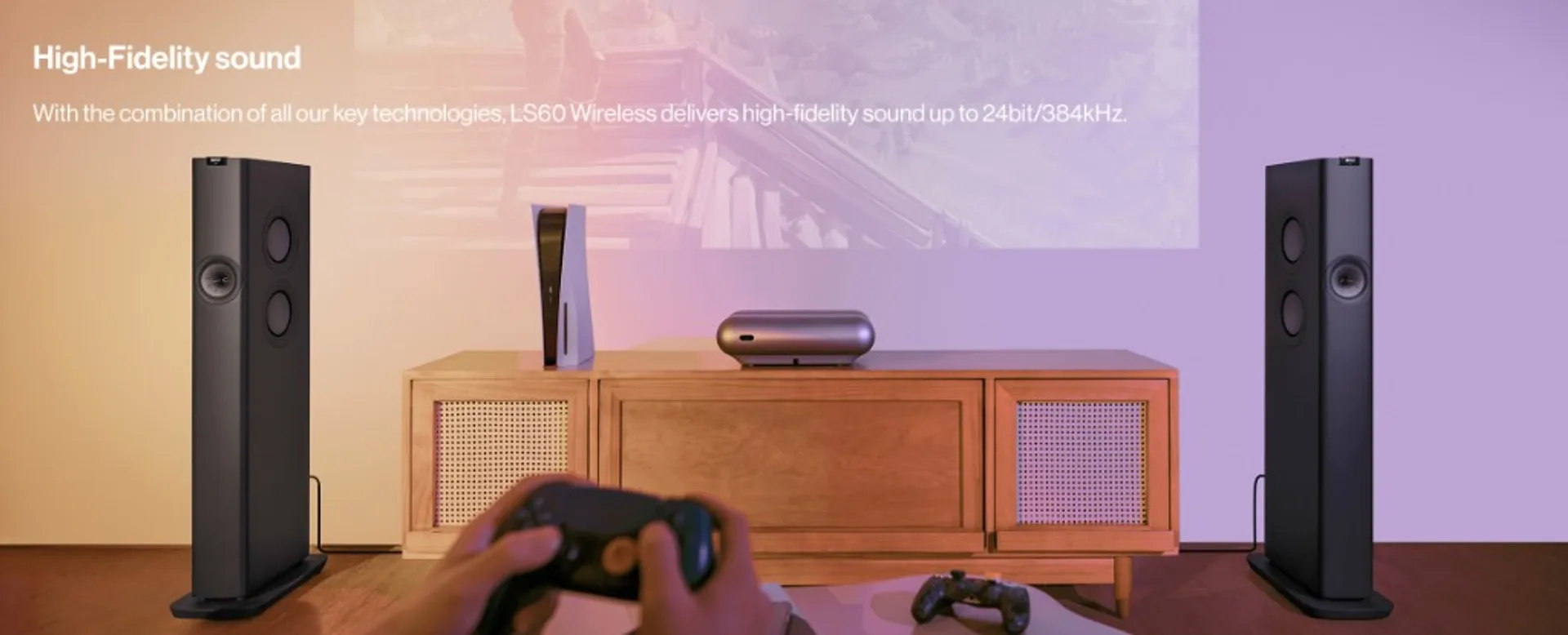
- Profile C: Shared living room, cable-sensitive household → wireless active is often the easiest long-term peace deal.
- Profile D: Nearfield desktop audio → compare compact powered systems first, then passive mini-rigs if you specifically want amp flexibility.
- Profile E: Medium/large room high SPL → evaluate headroom honestly. Architecture matters less than actual acoustic output capability in your room volume.
Common mistakes and how to avoid them
- Confusing “powered” with “fully active multi-amp design.” Read the signal path first.
- Buying passive speakers without budgeting proper amplification. The speaker is only half the system.
- Over-focusing on watt numbers. Room size, listening distance, and distortion behavior are more predictive.
- Ignoring ecosystem risk in wireless active systems. Check app support and firmware maturity before purchase.
- Chasing upgrades too early. Placement, room treatment, and listening geometry often outperform hardware swaps per dollar.
Detailed comparison table
| Dimension | Passive | Active (wired) | Wireless active |
|---|---|---|---|
| Initial setup effort | Medium to high | Low to medium | Low |
| Upgrade flexibility | Highest | Moderate to low | Low to moderate |
| Cable complexity | High | Medium | Low (audio), medium (power) |
| Pairing risk | Higher (amp-speaker matching) | Lower (factory matched) | Lower acoustically, higher ecosystem dependency |
| Best fit | Tweakers, long-term builders | Listeners prioritizing consistency | Lifestyle-first, mixed-use households |
Related Slow HiFi reads
If you want a brand-level map of active/passive positioning, read Dynaudio Home Audio: Every Line Compared. For a premium active case study, see Dynaudio Confidence 20A review. For mainstream powered ecosystem context, our Klipsch Gen II powered speakers guide is a useful companion.
If you are building budget passive systems, pair this article with our Fosi brand explainer before deciding where to allocate money between speakers and amplification.
Sources
- DALI Sound Academy: Active vs. passive speakers: Which is right for you?
- Genelec Key Technologies: Active crossovers
- KEF official site (ecosystem reference): kef.com
- Kanto official site (ecosystem reference): kantoaudio.com
- Dynaudio official site (ecosystem reference): dynaudio.com
- Klipsch official site (ecosystem reference): klipsch.com
FAQ
Is active always better than passive for sound quality?
No. Active can reduce pairing uncertainty and improve integration, but passive can sound equally outstanding with correct amplifier matching and room setup. Implementation quality beats architecture labels.
Can I upgrade active systems in small steps?
Usually less than passive systems. You can still upgrade source, streamer, DAC, stands, and room treatment, but speaker-side amplification is integrated, so major upgrades often mean replacing the speaker system.
For KEF or Kanto buyers, should I start active or passive?
Start with your ownership style. If you want quick setup and predictable results, choose active/ powered options first. If you enjoy amp experiments and long-term modular upgrades, choose passive and invest in a clean amplification path.
Do wireless active speakers remove all cables?
They usually remove long audio/speaker cable runs, but each speaker still needs power. You also inherit app/hub/network dependencies, so wireless convenience comes with ecosystem considerations.
What improves sound fastest after buying speakers?
In many rooms: placement, listening position, stand stability, and basic room treatment. Hardware upgrades matter, but geometry and acoustics typically deliver the fastest audible gains per dollar.