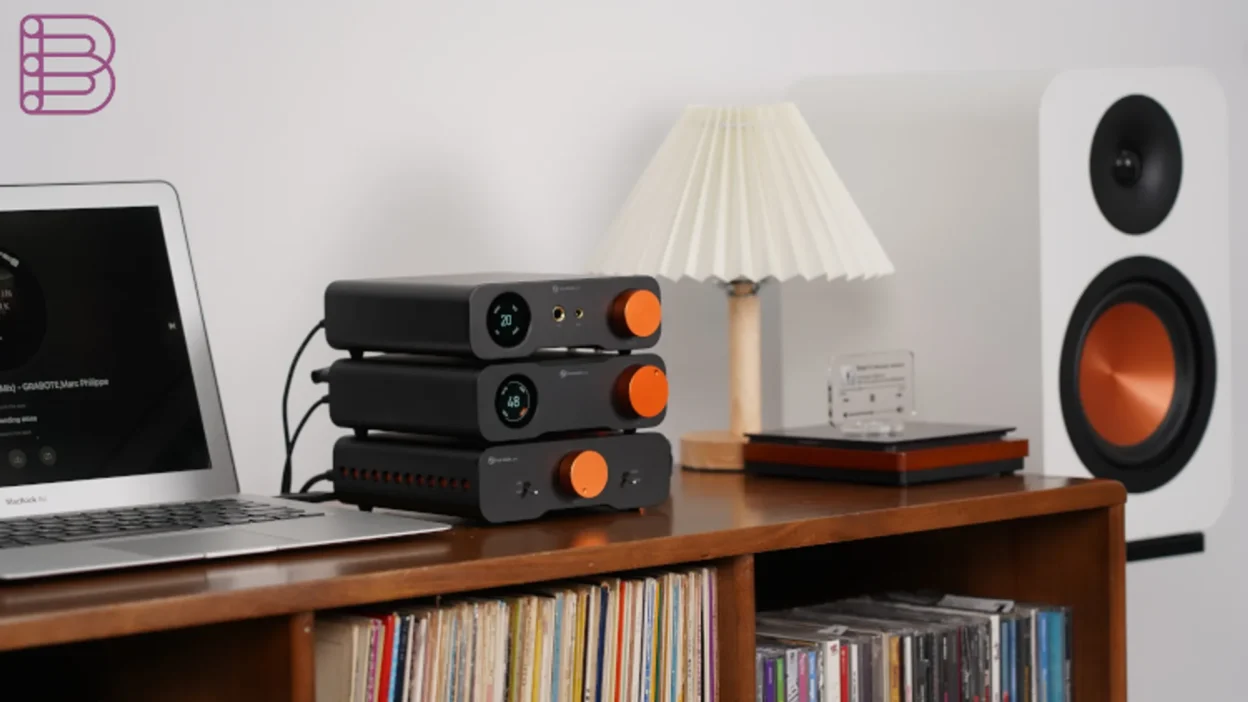
Fosi Audio is the house that put orange knobs and palm-sized Class D on half the desk setups I see in photos. It is also a useful stress test for how I think about price in hi-fi: when a stereo amp costs less than a dinner for four, something structural is going on and it is not magic, and it is not automatically villainy either. This piece is not a company biography scraped from a marketing page. It is how I read Fosi as a product strategy: what the line is optimised for, why the numbers on the sticker look the way they do, and what I still insist on checking with my own ears and return policy before I call anything a keeper. For concrete SKUs, see our subwoofer amplifier guide and Merak CD player intro.
What the name is actually doing
Every hi-fi house ships an acronym or a founder myth. FOSI is packaged as a word salad of virtues foresight, openness, sincerity, innovation which tells you almost nothing about THD or noise floor. That is fine: it is retail positioning, not a white paper. What matters to me is the downstream behaviour: fast refreshes, loud community feedback loops, and price tags that signal volume and iteration more than heritage margin. I treat the letters like the paint job on a hot hatch-identity, not proof of lap time.
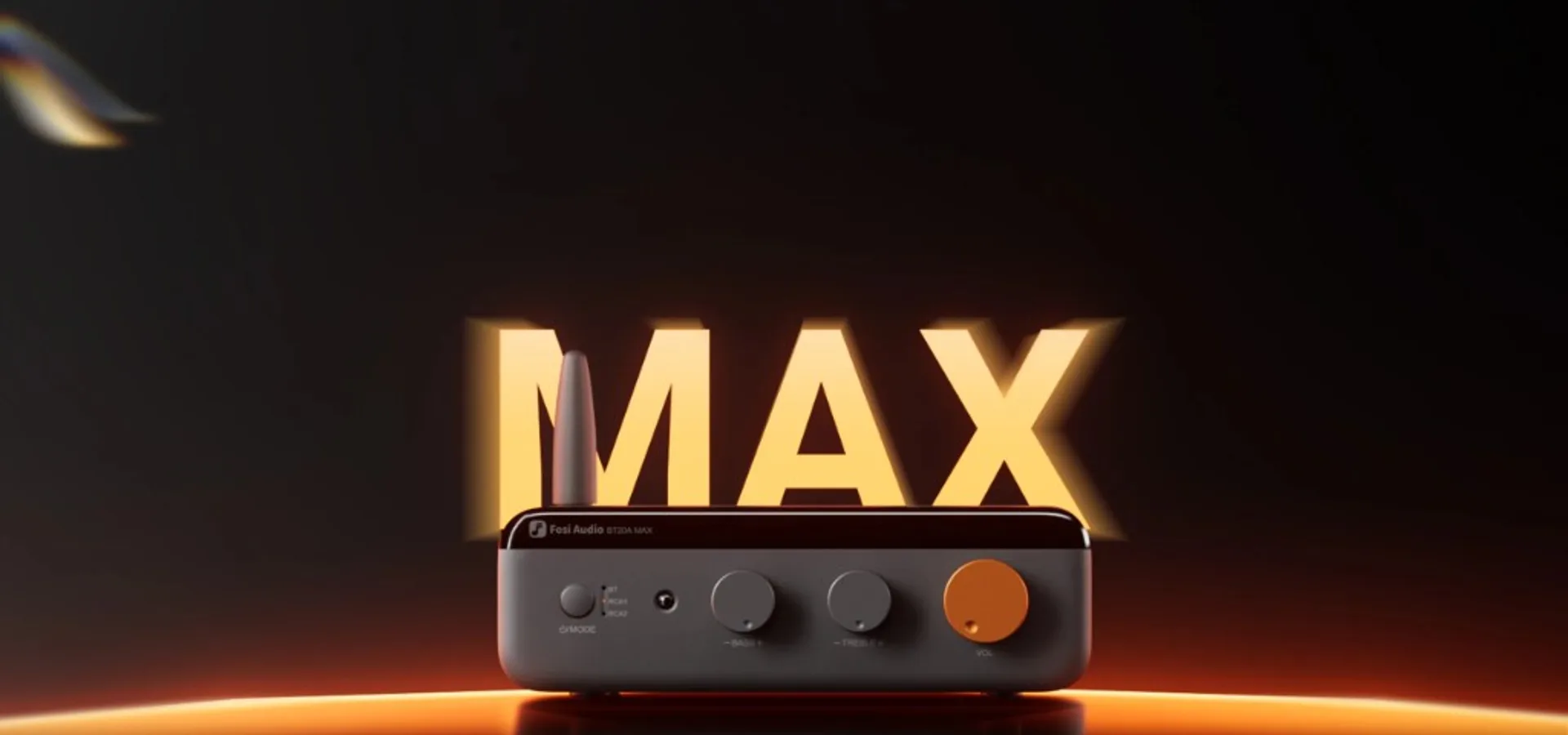
The model under the orange knobs
Fosi did not invent desktop Class D. It arrived in the same window as a global shift: marketplaces and social feeds as shop floor, parcel shipping as showroom, and chip vendors selling reference-grade integration that lets a small team ship another amp variant without hand-winding transformers for each tier. The pattern I care about is repeatable: start where buyers already hunt for cheap power, prove you can fulfil and support at scale, then widen into DACs, sub amps, CD/front-end boxes, and anything else that fits the same shelf depth and margin math.
That is not praise or damnation. It is why the shelf looks the way it does: lots of related SKUs, shared visual language, and a cadence that can feel aggressive if you are used to brands that rename the same toroidal amp every seven years.
What the catalogue is built for
From the outside, the line reads as one coherent bet: stereo and mono Class D, Bluetooth receivers, DAC / DAC-amp stacks, subwoofer amplifiers, and more recently sources and transducers in the same value tier. The through-line is desk or secondary-room scale, clear I/O stories, and prices that make experimentation rational. I do not shop this catalogue for statement carpentry or prestige resale curves; I shop it when I want a defined job solved without pretending I am funding a museum.
Why the hardware lands where it does on price
Strip the adjectives and the mechanics are industry-wide, not proprietary:
- Integrated silicon: Palm-sized amps in this segment lean on tightly integrated Class D stages from major semiconductor lines. You trade discrete boutique topology for repeatable cost and small PCB area.
- Chassis and passives: Big headline watts in a small box leave no room for kilogram transformers and jewellery-grade plates on every SKU. Savings show up in BOM and shipping cube.
- Online-first distribution: When the path to the buyer is listing, cart, and courier, you shed the dealer stack that still pays for listening rooms in major cities on legacy brands.
- Platform reuse: Shared power bricks, knobs, and module families amortise engineering across volume. You get lower end prices and sometimes visual sameness across models.
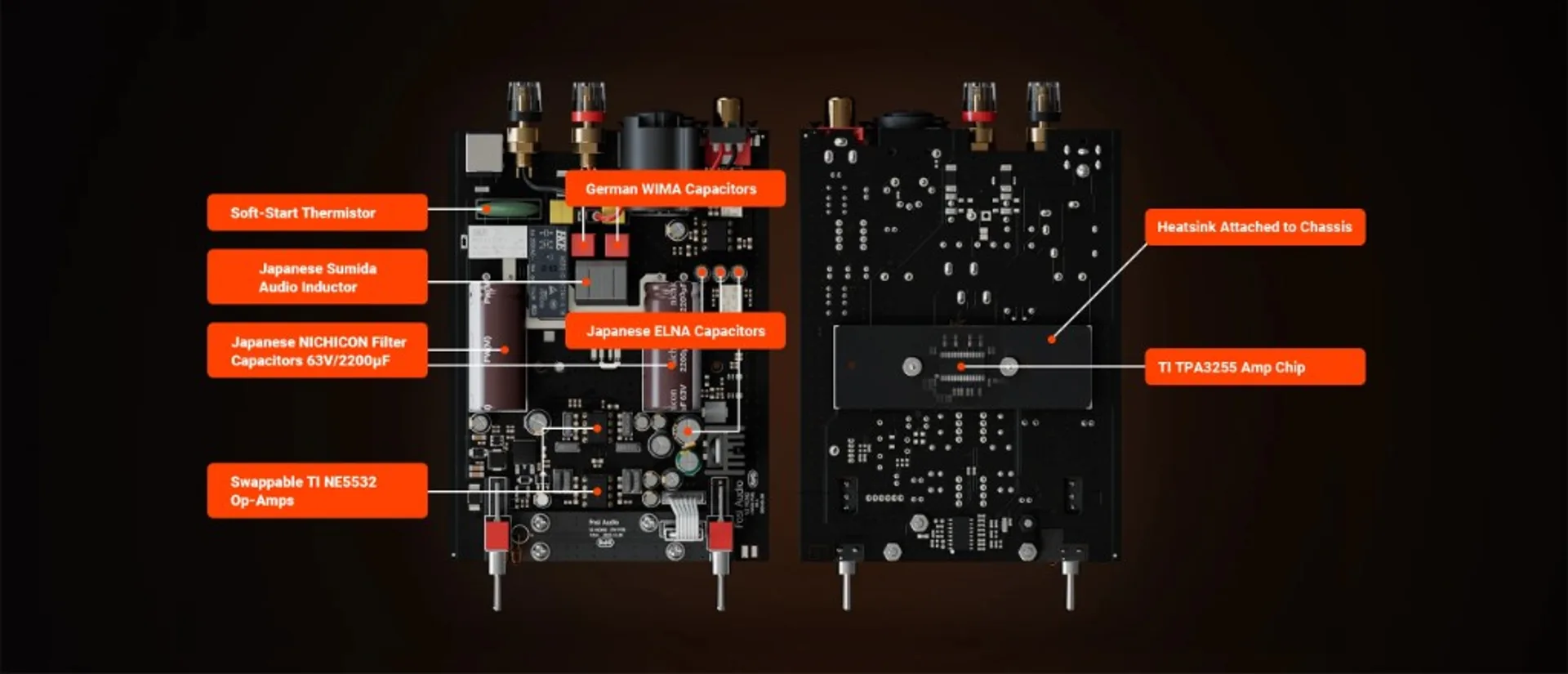
My blunt read: the sticker is low because the object is built and sold like affordable consumer electronics, not because someone found a cheat code that beats physics.
What the sticker buys and what it skips
- Buys: For many rooms, enough clean power on paper, modern inputs, and a price where trying and returning is a sane strategy if local law and seller terms allow.
- Skips: Do not expect decades-later parts culture, white-glove setup, or the kind of long-tail hand-holding that boutique houses bake into margin.
- Variance: High-volume budget electronics can show unit spread and firmware quirks. That is a process reality, not proof of a conspiracy to “fake hi-fi.”
When I see category trophies or growth superlatives on any brand page, I ignore them unless there is independent data I can point you to. For purchase risk, I still lean on returns, warranty language, and listening time—in that order.
FAQ
Is Fosi “Chi-Fi”?
Colloquially, yes — buyers group Chinese-designed value electronics under that informal label. It marks a market segment, not a legal country-of-origin stamp on every screw inside every box.
Does cheap Class D mean bad sound?
No. It means different engineering priorities. Measurements and listening still vary by model; price is only one axis.
Where should I start in the catalogue?
Define the job first: desk headphone DAC, living-room stereo, or sub amp for an AVR. Then match a SKU to that job — our linked guides above are concrete starting points.
Note: Prices and listings change. Nothing here is paid or sponsored by Fosi; it is Slow HiFi context only.