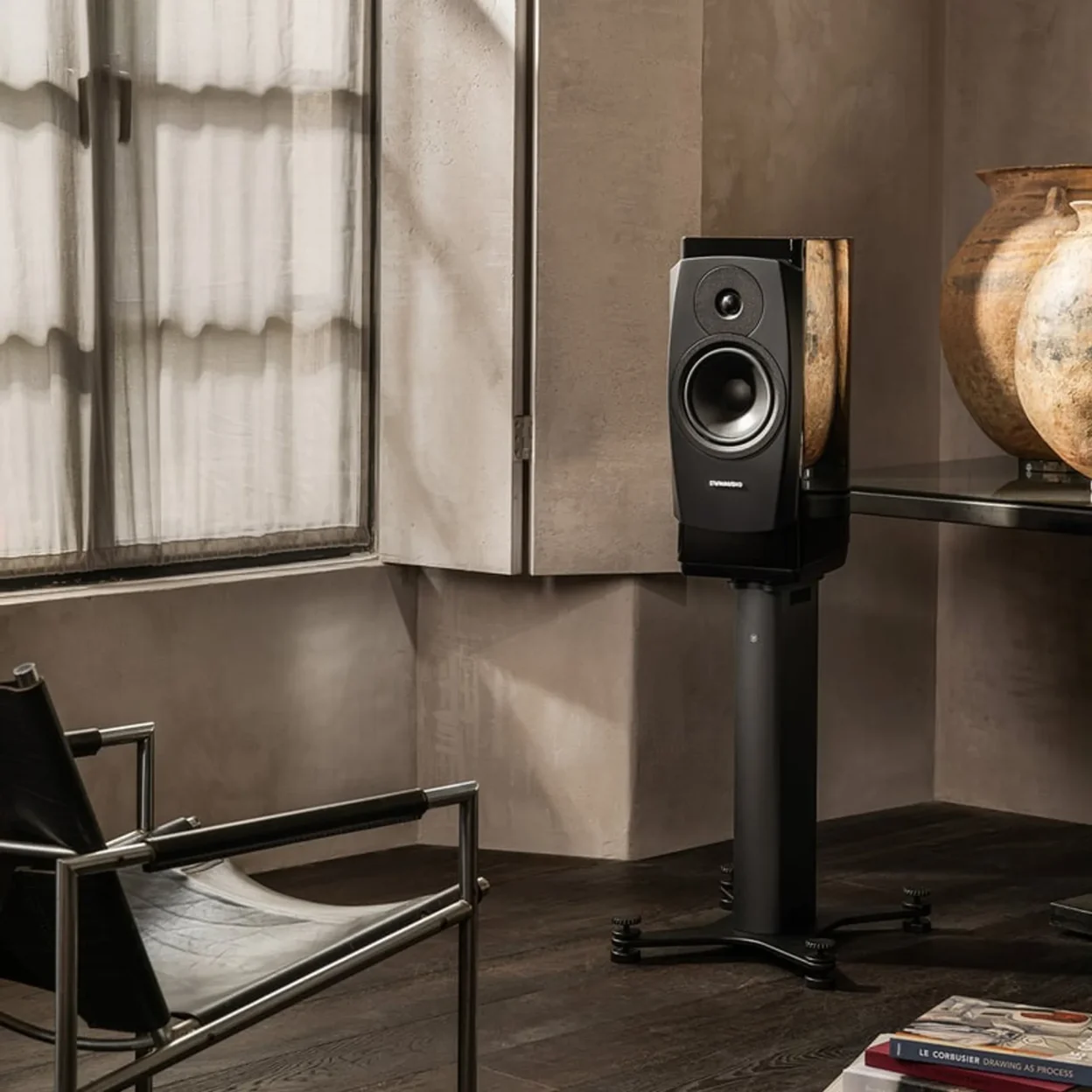
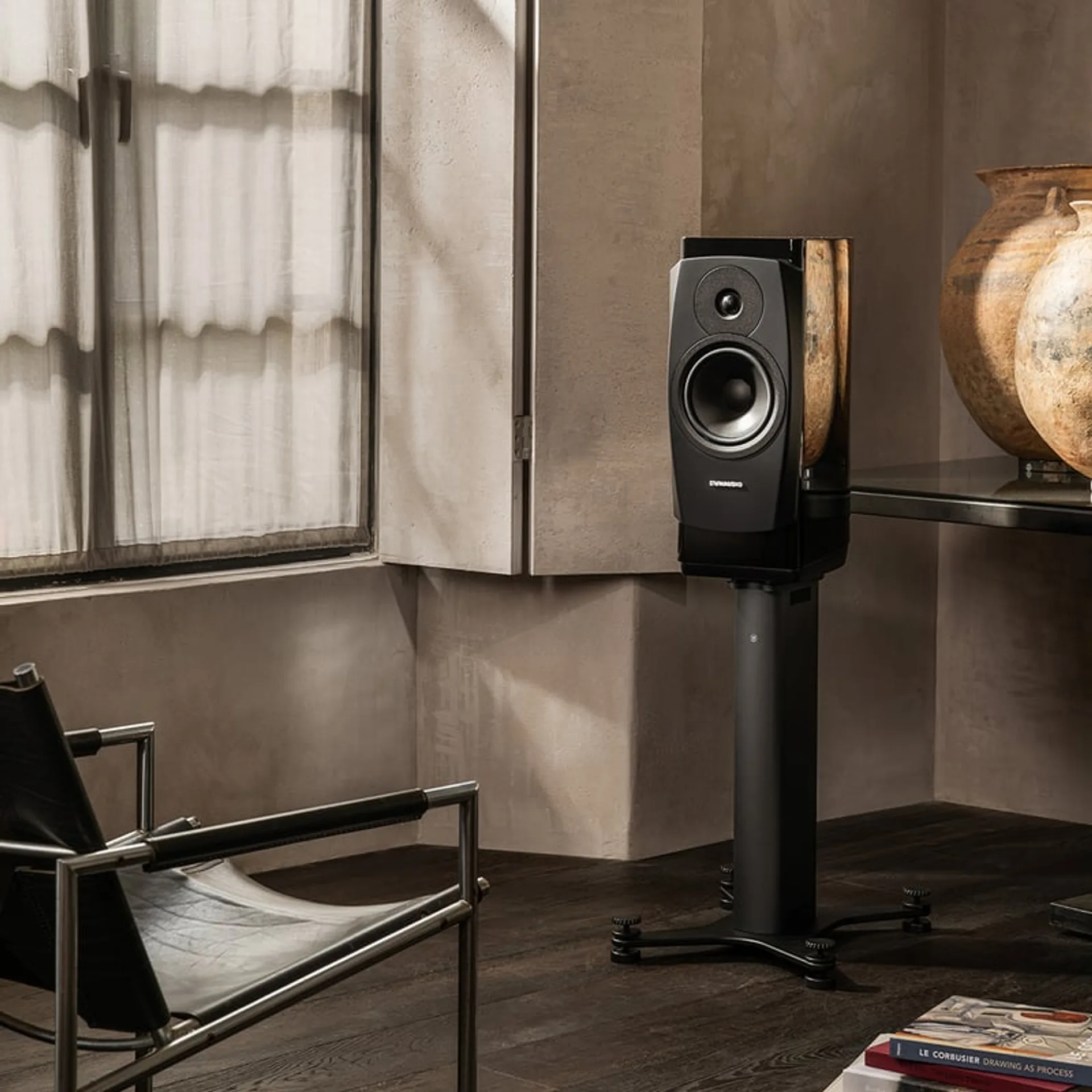
Dynaudio Confidence 20A is not a typical “active bookshelf” story. It is positioned as a high-end, near-endgame two-way system that moves the heavy lifting into the stands: amplification, DSP crossover management, and control logic are built into the platform rather than split across separate boxes.
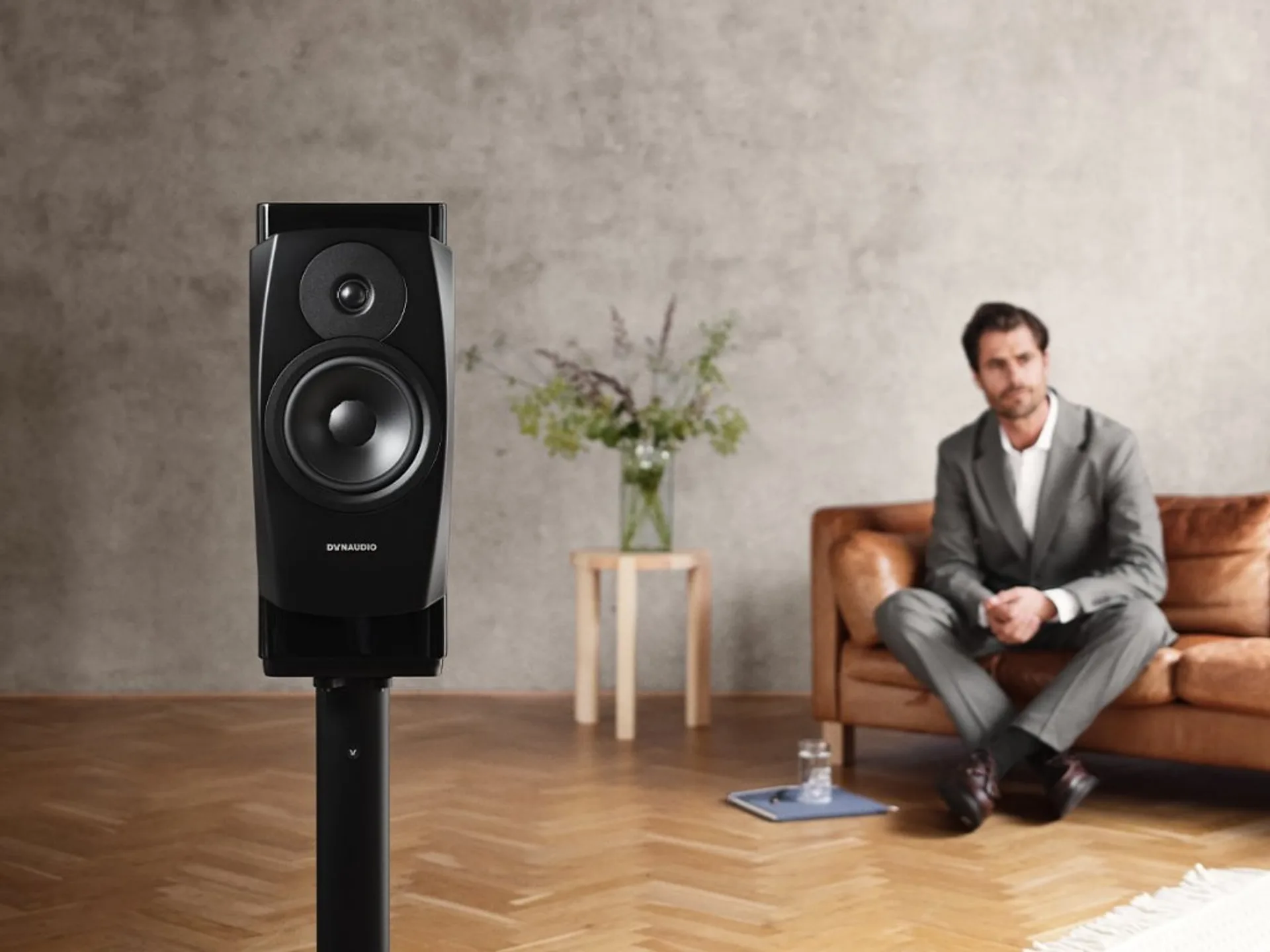
What Confidence 20A actually is
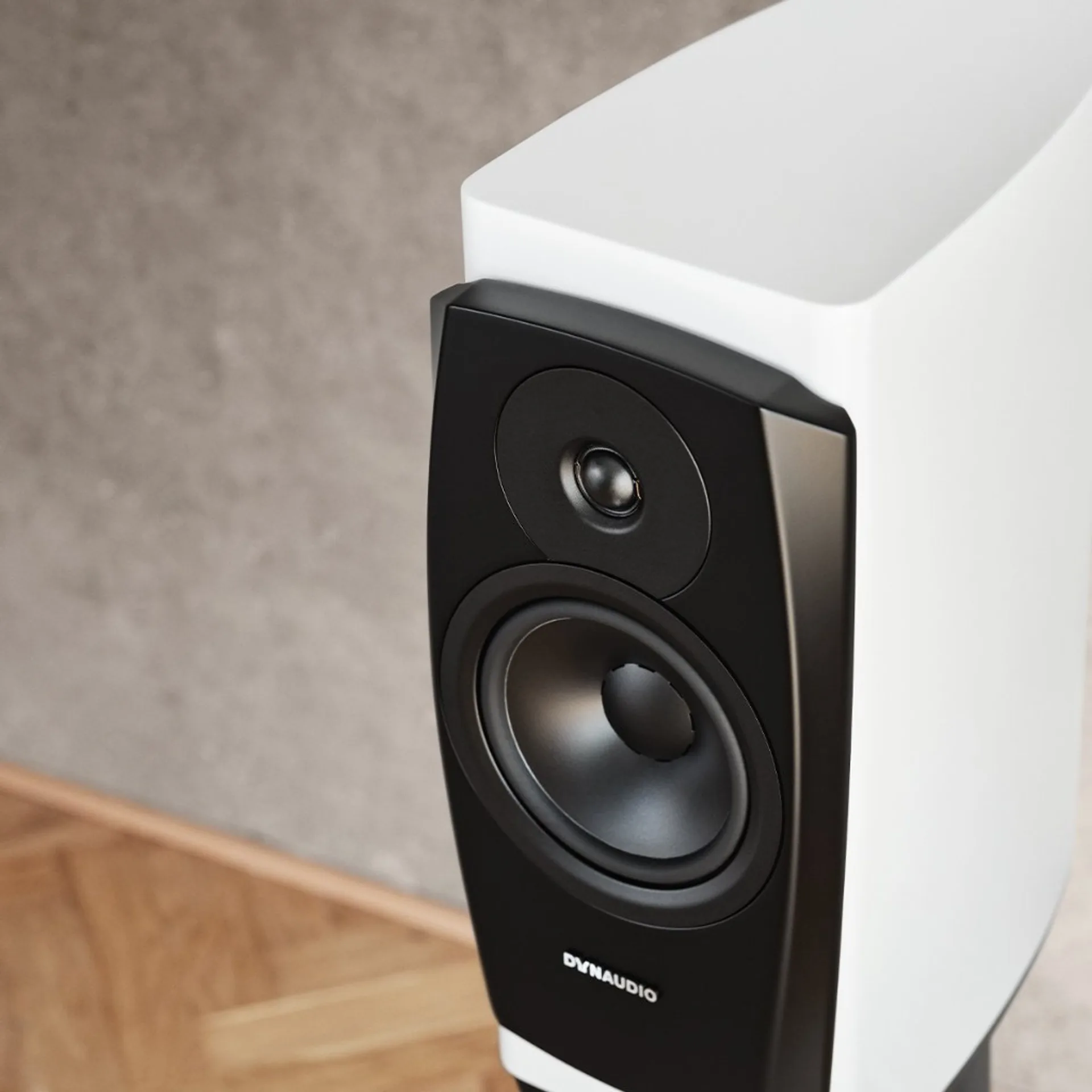
The official Dynaudio positioning is clear: this is a simplified high-end path where the amplification and DSP are already matched to the drivers. Per published specs, each speaker combines 400W for the 18cm NeoTec mid/woofer and 150W for the 28mm Esotar 3 tweeter, with a DSP-based 2-way crossover at 2.5kHz.
- Inputs: balanced analog XLR and AES3 digital XLR
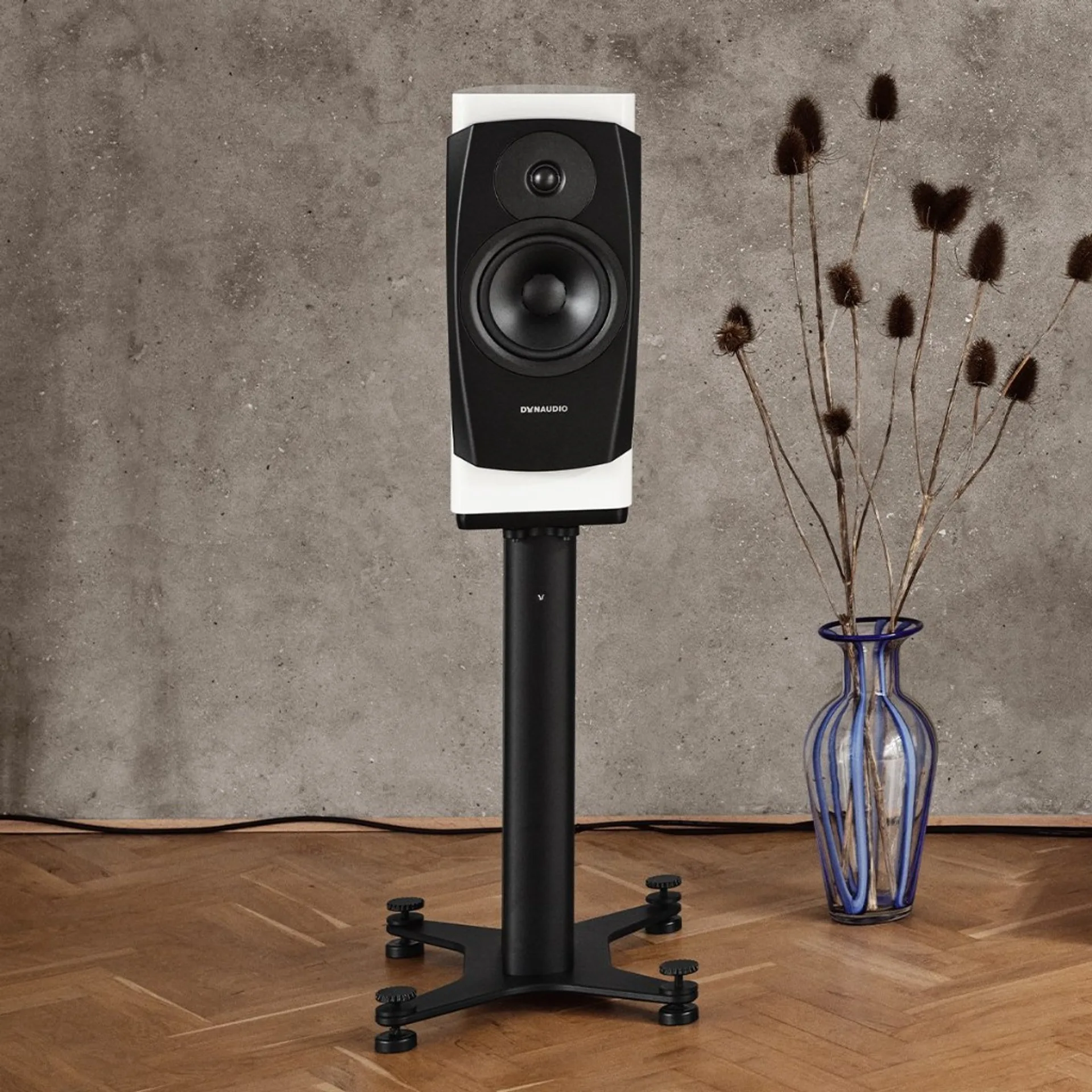
- Format: stand-mounted active system (stand is part of the design)
- Published response: 33Hz-25kHz (+/-3dB), 30Hz-28kHz (-6dB dynamic)
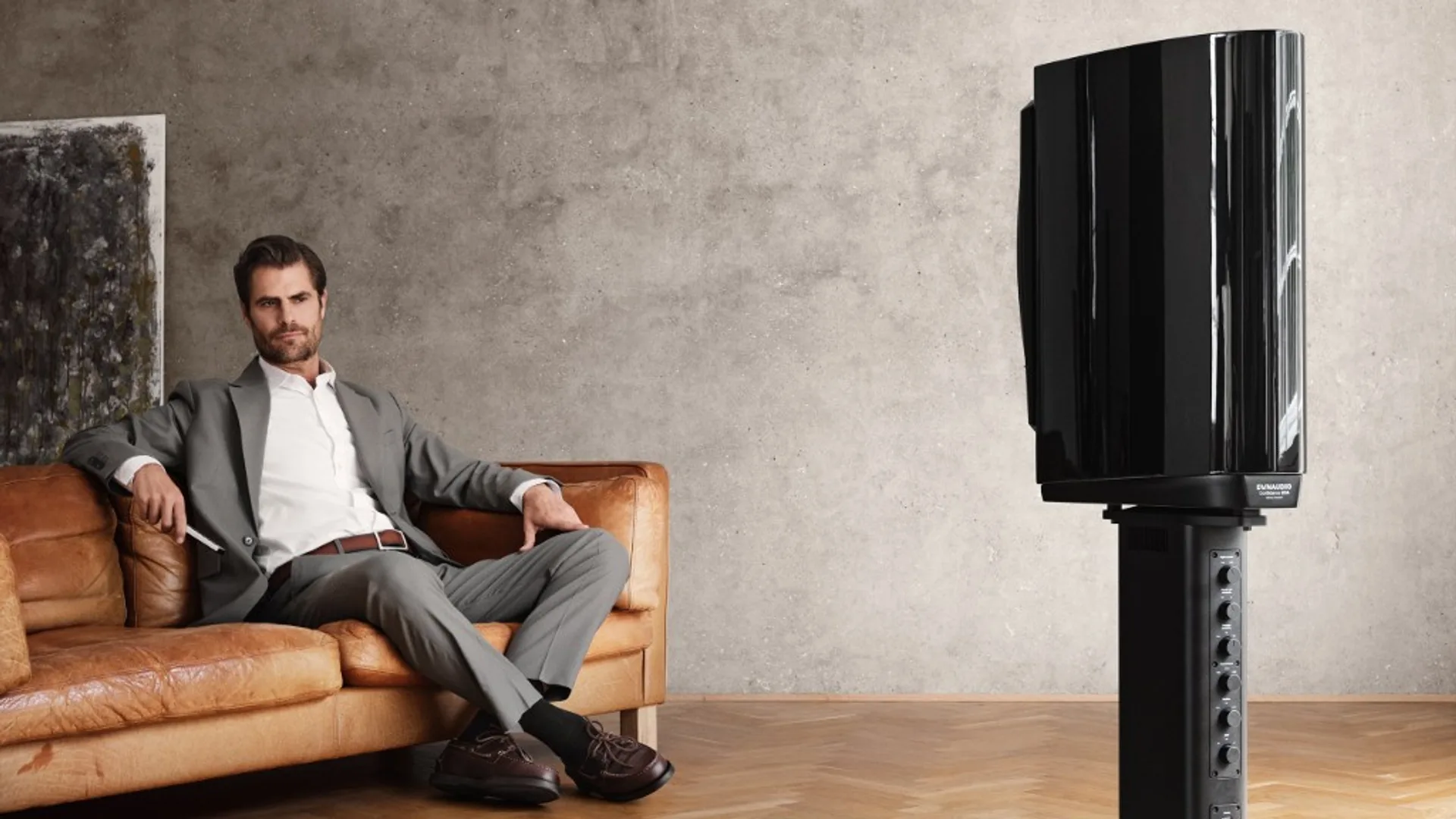
- Tuning controls: sound balance (Dark/Neutral/Bright), placement compensation (Wall/Corner/Free), sensitivity settings
In other words, this is less about collecting components and more about locking in a pre-engineered signal chain. If you want broader context on the brand’s architecture choices, see our Dynaudio line comparison.
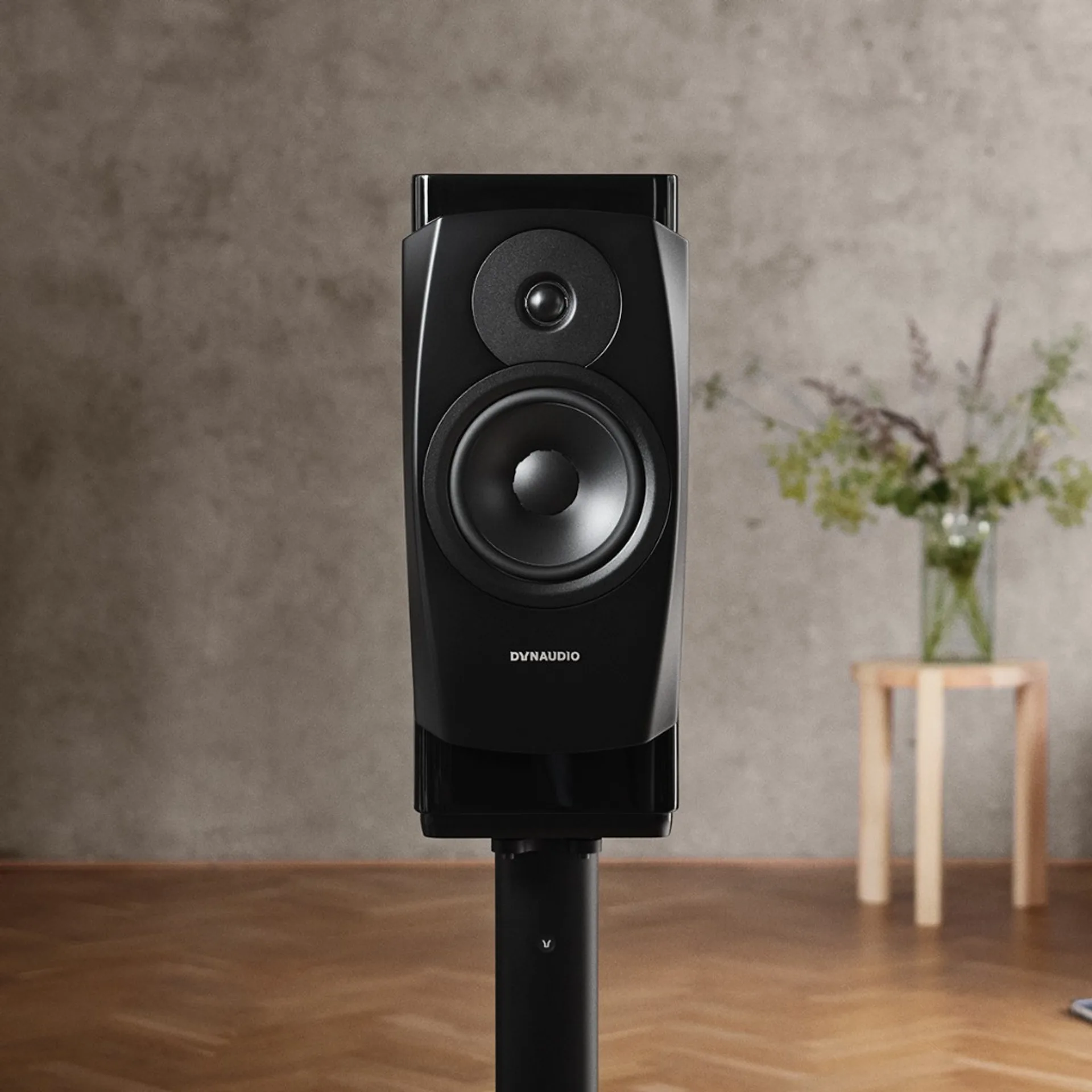
Published sound character
Stereophile’s long-form listening notes frame the 20A as highly capable in timing precision, dynamic articulation, and low-frequency authority for a stand-mount format. Treble is described as extended and airy without habitual glare, while the midband is presented as natural and proportionate.
One repeated theme is how rhythm and transients are handled: start/stop behavior feels “fast” and well controlled, likely helped by DSP driver management and active amplification headroom. This translates into strong pace on dense material and a sense of composure at realistic listening levels.
There is also a practical caveat: at very high SPL, some program material can tilt toward a slight metallic edge. In that context, switching to the Dark tonal setting or simply listening lower restores balance. That is useful because it means the behavior is at least somewhat tunable in-room.
Real-world setup and usability
Confidence 20A is simpler than a passive separates chain, but not a lifestyle “plug and stream” speaker. It expects a serious source with proper output control. There is no built-in streamer app stack, and connectivity is oriented around balanced analog and AES3 digital workflows.
| Area | What works well | What to know before buying |
|---|---|---|
| System architecture | No amplifier matching required; tuning and power are pre-integrated. | You still need a suitable source/pre stage with volume control. |
| Room tuning | On-speaker controls for room position and tonal contour are practical. | Fine setup still matters; these are revealing enough to expose placement errors. |
| Cable management | Fewer external boxes than passive chains. | If using both analog and digital sources, workflow can be less elegant without careful planning. |
| Bass performance | Published extension and review notes suggest real authority into low frequencies. | This is still room-dependent; placement and boundary settings are critical. |
If you are considering simpler powered alternatives first, compare the philosophy with options such as Kanto TUK Grand to understand where the 20A sits in scale and ambition. For the broader active-versus-passive decision (upgrade paths, amp matching, wireless ecosystems), our active vs passive speakers guide is the on-ramp.
Best music matches
- Complex rock / progressive material: timing control and separation help dense arrangements stay intelligible.
- Jazz ensemble and acoustic recordings: articulate microdetail and image structure support realistic staging.
- Electronic and bass-driven productions: active control plus extension gives convincing low-end weight.
- Long-session mixed libraries: tonal presets allow easier adaptation to brighter older recordings.
If your priority is a warm, forgiving presentation above all else, you may still prefer a passive path with deliberate amplifier voicing, including classic-oriented models like Dynaudio Legend.
Who should buy, who should skip
Buy if you:
- Want high-end active performance with fewer component-matching decisions.
- Already use, or are willing to buy, quality balanced sources.
- Prefer a “done-and-dusted” system philosophy over constant upgrade cycling.
Skip if you:
- Love tube/amp rolling and frequent electronics changes.
- Need all-in-one streaming features inside the speakers themselves.
- Want strong value-per-dollar over luxury active integration.
FAQ
Is Confidence 20A a true all-in-one speaker?
It is “all-in-one” in amplification and DSP terms, but you still need a proper source with volume control and suitable output routing.
Can it replace a passive separates system?
For many users, yes. That is exactly its design premise: reduce component complexity while maintaining flagship-grade performance ambitions.
Who is the ideal buyer?
Experienced listeners who want top-tier active engineering, balanced-source compatibility, and fewer variables than a traditional passive chain.