
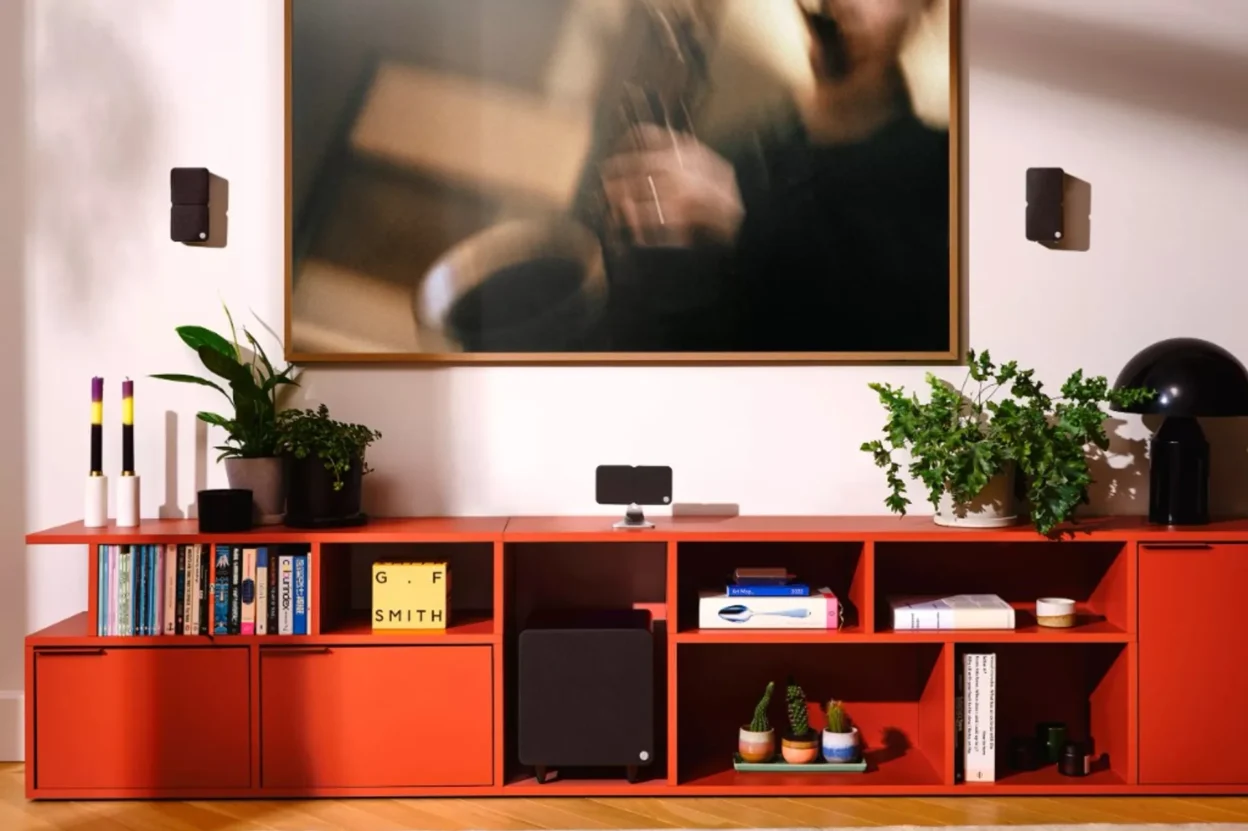
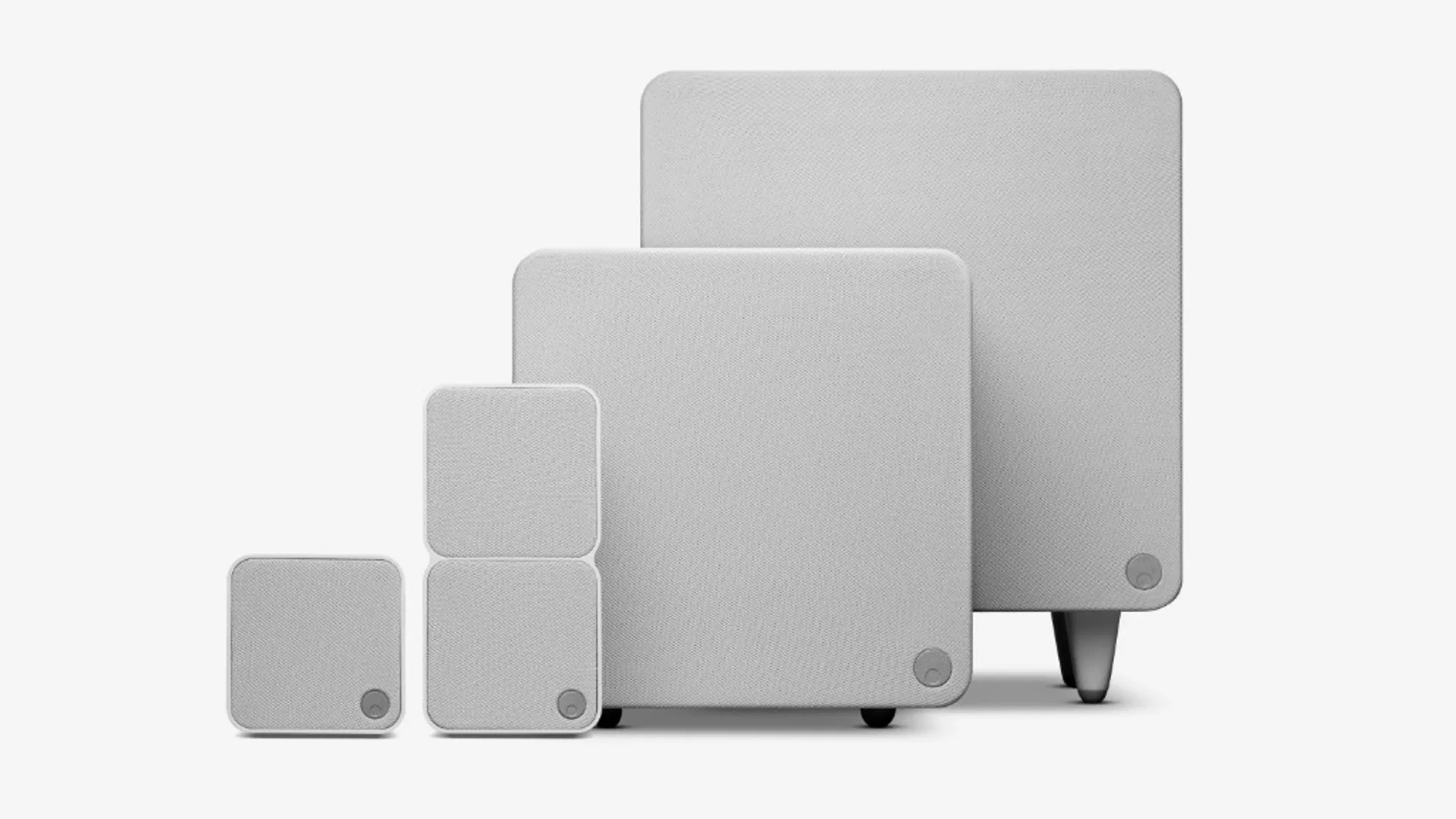
Cambridge Audio is shipping the MSX family: ultra-compact passive satellites (MSX 10, MSX 20) plus matching active subwoofers (MSX Sub 200, MSX Sub 300). The pitch is unchanged at the engineering level- modular boxes you can spread around a desk, TV wall, or full surround layout- but the line arrives under new names and a unified matte black or matte white finish story that lines up with Cambridge’s recent industrial design language. I have not auditioned the system yet; this is a news-and-spec summary drawn from Cambridge’s MSX product pages (US store pricing as listed there).
MSX vs the old Minx idea
For years Cambridge sold a tiny modular satellite + sub concept under the Minx name. MSX is the same use case in modern dress: passive satellites you drive from a stereo amp or AV receiver, optional subs for extension, and cabinets meant to disappear on a shelf or wall. What changed on the surface is branding, SKU names, and a matte two-colour finish palette shared across the range.
If you are comparing against a traditional bookshelf box, our intro to the LEAK Sandwich 100 covers a very different trade-off- full-size standmount versus micro-satellite physics.
Why BMR in a cube
Cambridge’s Balanced Mode Radiator drivers pair conventional piston motion with bending-wave behaviour so energy leaves the baffle in a wide arc rather than a narrow beam. On paper that means a less fussy listening window in tight rooms- useful when the speakers sit beside a monitor, flanking a TV, or high on a wall. Marketing copy on the MSX 10 page cites roughly 180° dispersion; treat that as manufacturer positioning until you can listen for yourself.
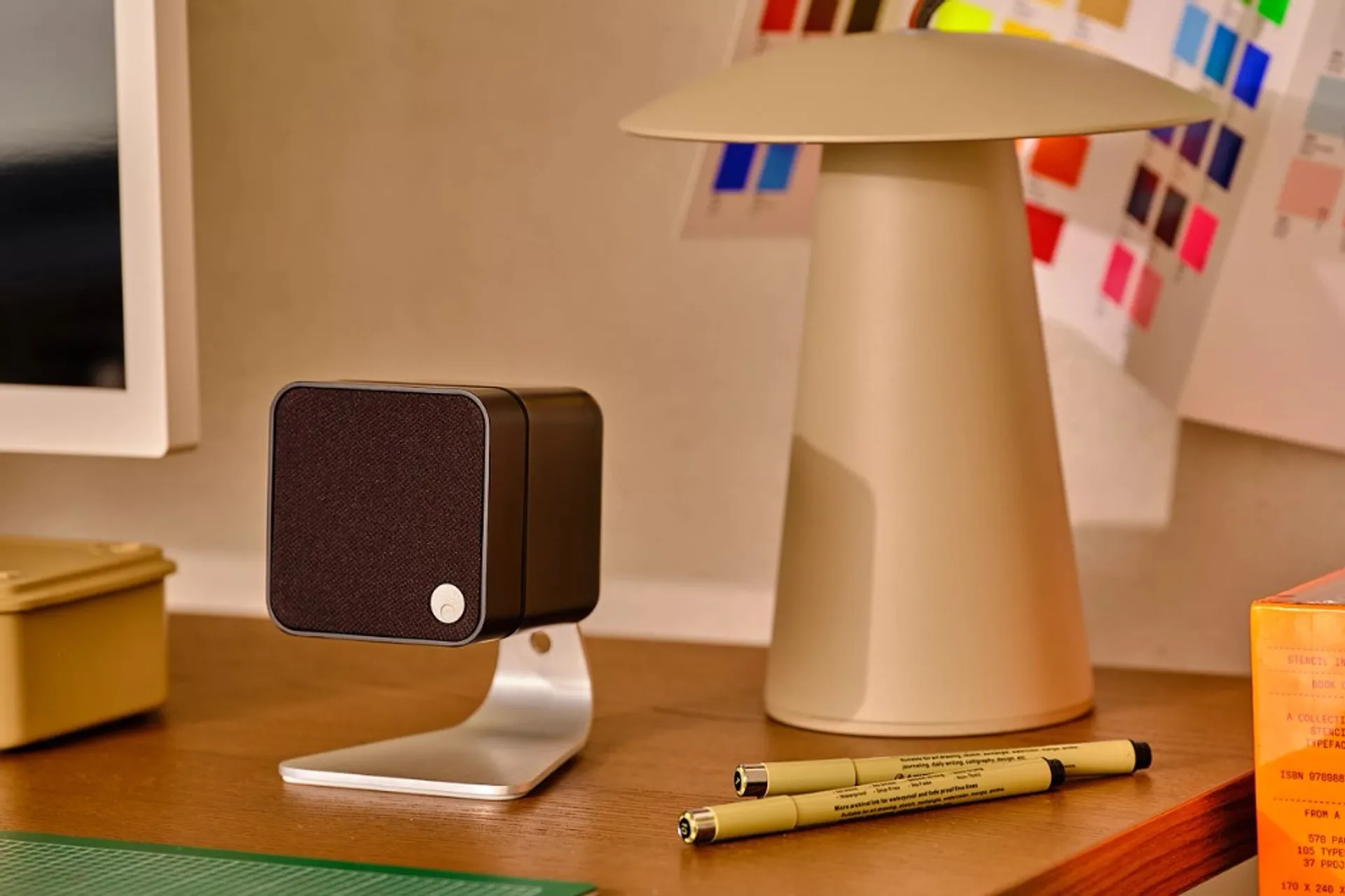
Both satellites use 2.25″ BMR units; the MSX 20 adds a second driver tuned for more low-end output in the same family footprint.
MSX10 vs MSX20
MSX 10 is the smallest step: one driver per enclosure, claimed response 150 Hz–20 kHz, 86 dB sensitivity (2.83 Vrms), recommended amplifier power 25–200 W. The cabinet is roughly a 79 mm cube deep- genuinely palm-scale.
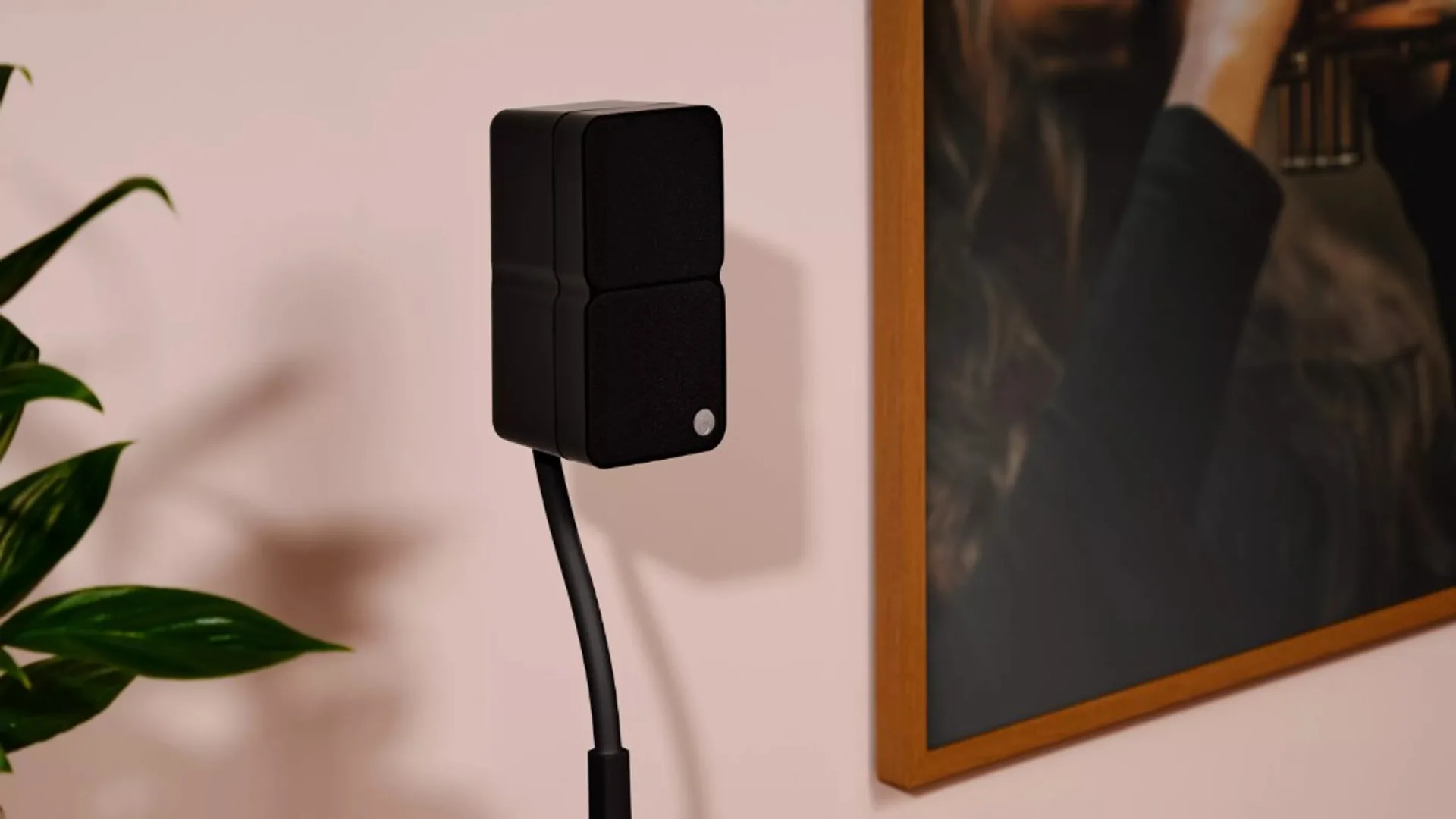
MSX 20 doubles the driver count (mid-bass + bass BMR pair), stretches the cabinet to about 155 mm tall in the same width and depth, lifts sensitivity to 88 dB, and extends the published bass reach to 120 Hz. Cambridge also positions it for horizontal centre-channel duty in a surround layout.
Each satellite ships with a wall bracket, rubber feet, quick-start paperwork, and registration card. Full technical tables: MSX 10 · MSX 20.
Sub 200 and Sub 300
The MSX Sub 200 and MSX Sub 300 are the powered low-frequency partners. Cambridge lists them at $449 and $549 respectively on the US site, with model names that line up with 200 W and 300 W amplifier ratings. Finishes match the satellites (matte black / matte white). For driver diameter, crossover detail, and input connections, use the live MSX Sub 200 and MSX Sub 300 listings- those fields are easy to mis-type if you are working from memory.
Expect Cambridge to talk about controlled bass and room-friendly output on the sub pages; I am not repeating specific woofer sizes here without a fresh pull from the official spec blocks.
Placement and system fit
Because the MSX satellites are 8 Ω passive boxes, they drop into any ecosystem that already drives bookshelf speakers: integrated amps, AVRs, or small power amps. Cambridge rates them for 25–200 W recommended power- in the real world, match quality and gain structure to how loud you listen; micro speakers hit limits fast if you ask for party SPL.
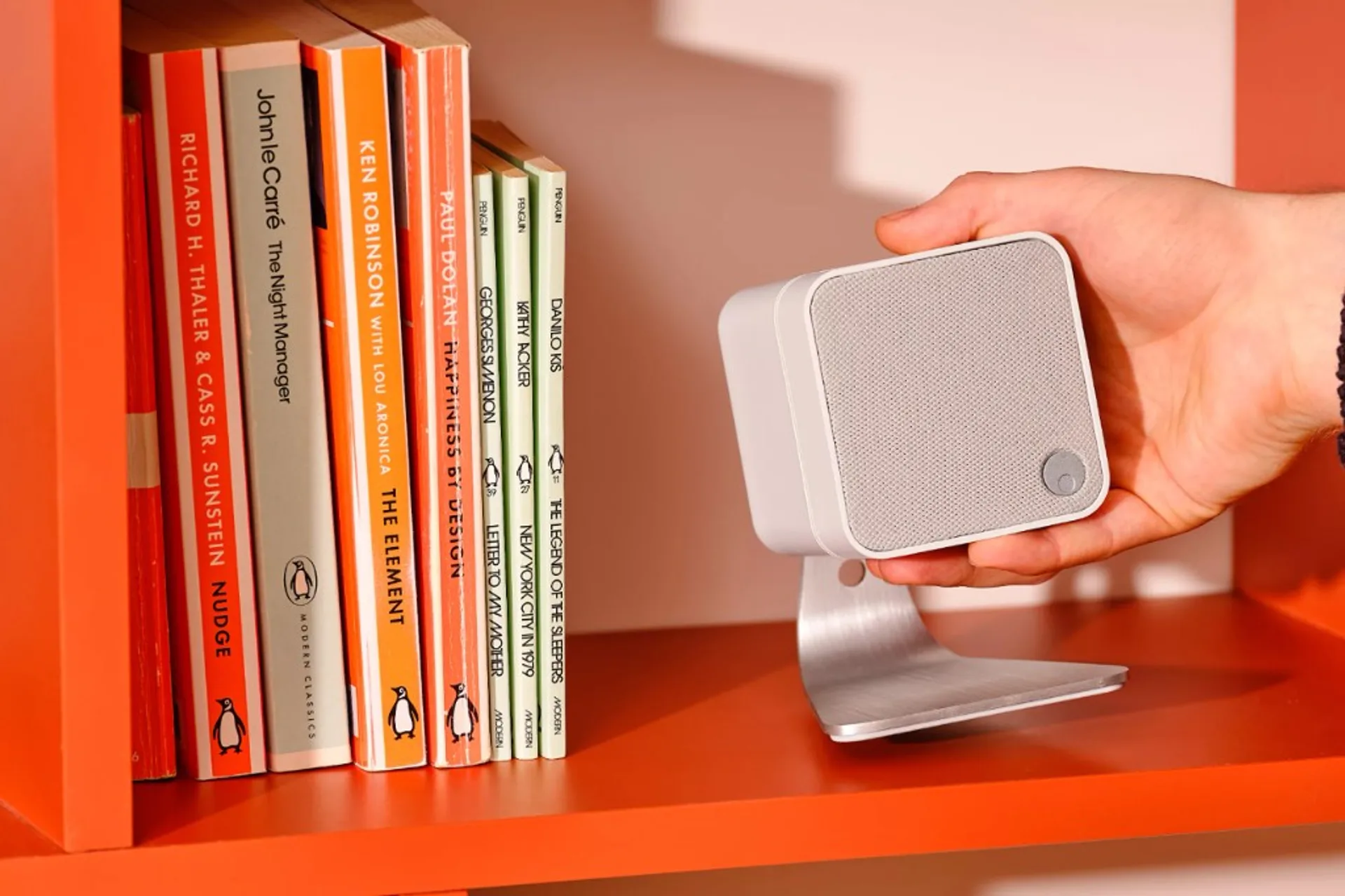
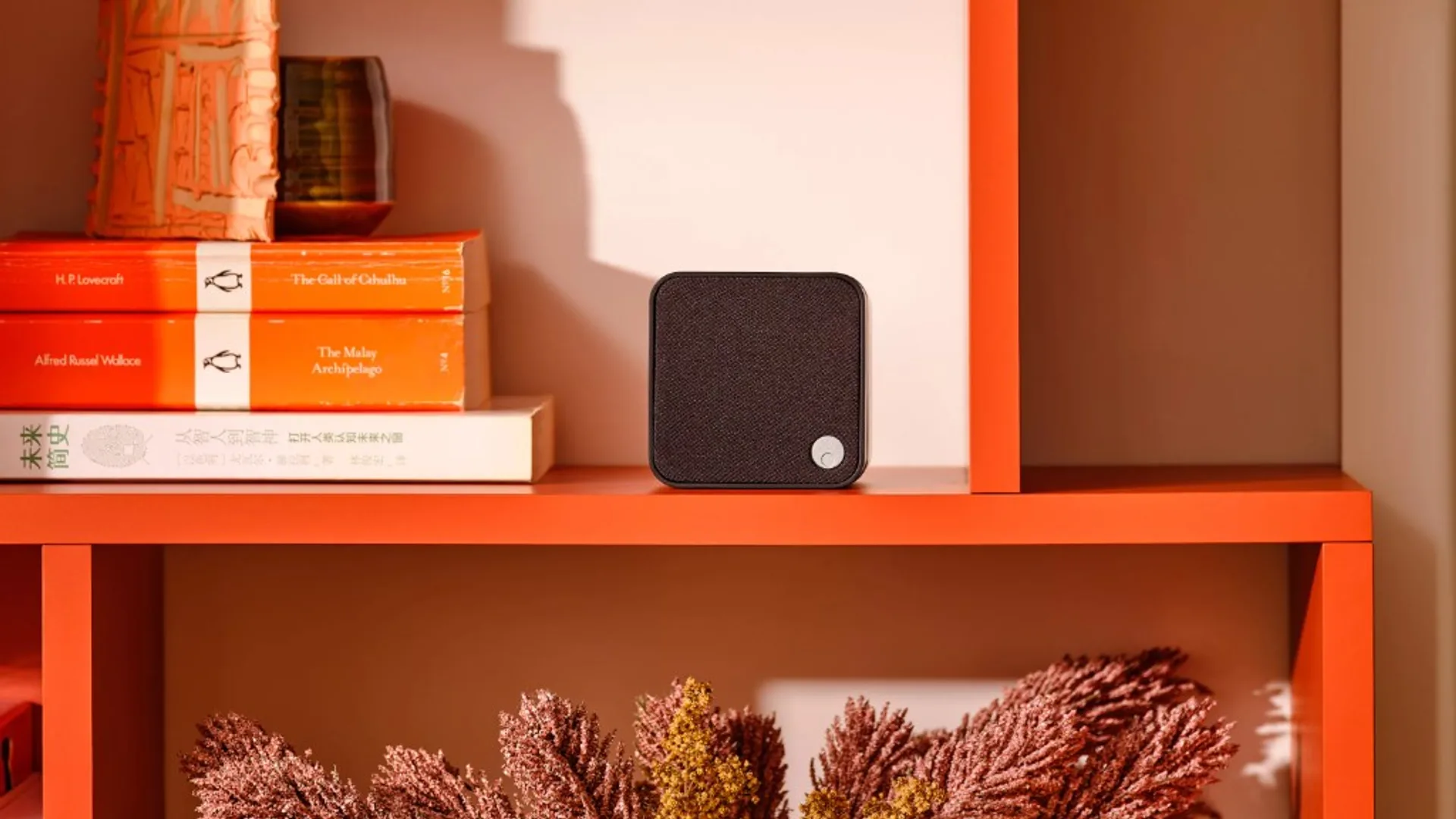
Wall mounting, spread-stereo placement, and adding one or two subs mirrors how owners used Minx systems for years: start stereo, add sub, then grow into 5.1 if the receiver and room allow. Spreading satellites apart usually images better than stacking them, even though the cabinets are designed to look unobtrusive side by side.
FAQ
Are MSX speakers active or passive?
The MSX 10 and MSX 20 are passive– they need an amplifier or AV receiver. Only the MSX Sub models are self-powered.
Is pricing per speaker?
On the US store, MSX 10 and MSX 20 are priced per unit ($99 / $129 at list). A stereo pair means two line items.
What finish options exist?
Matte Black and Matte White across the MSX range, per the satellite spec sheets.
Can MSX replace a soundbar?
You can use small satellites under a TV, but you still need amplification and wiring. A soundbar is simpler; MSX is for buyers who want separate speakers and upgrade paths.