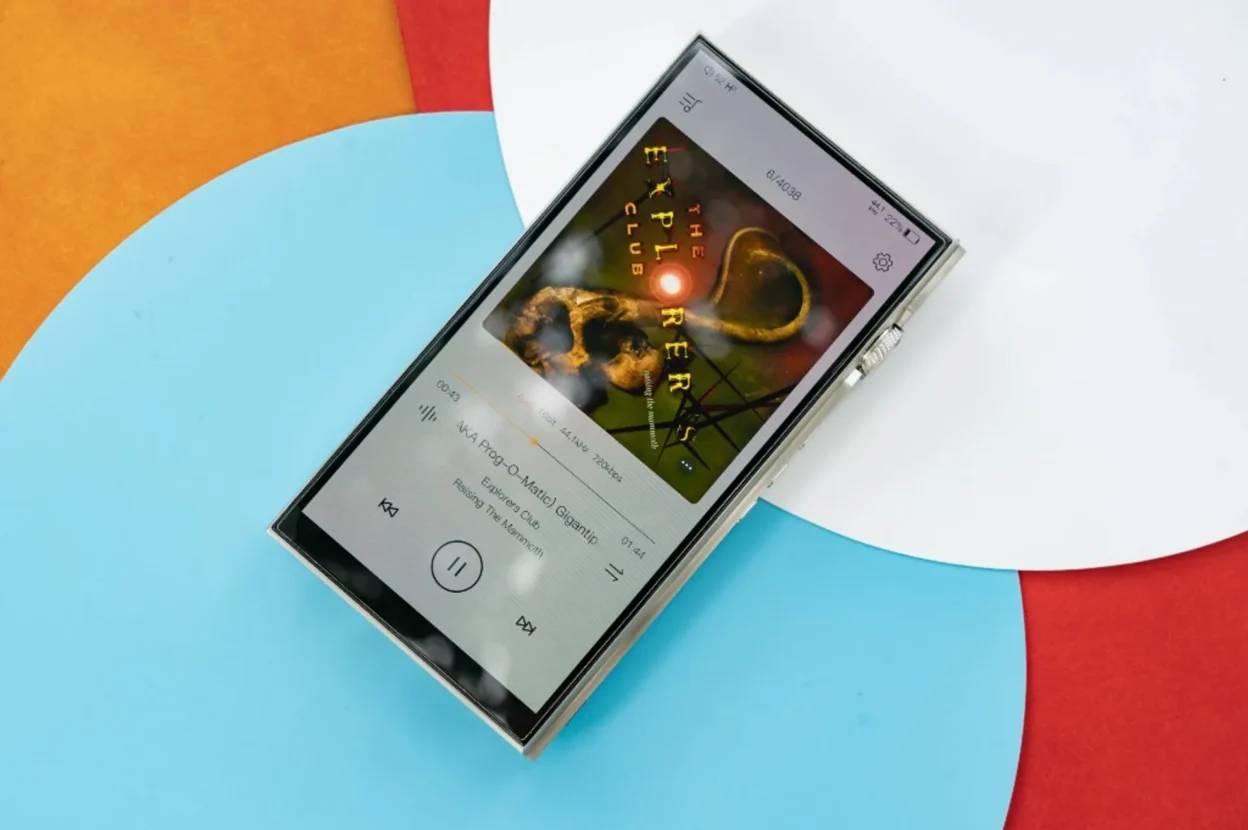
iBasso DX340 is the company’s current reference-grade digital audio player: a large Android-based pocket computer with a parallel Mango OS music layer, built around an in-house discrete PWM DAC lattice and FPGA-Master 3.0 clocking, plus iBasso’s familiar swappable AMP card layout headlined by the bundled AMP15 module. On paper it is aimed at the same buyer who might otherwise carry a transport + DAC + portable amp stack — maximum format headroom (PCM 32-bit / 768 kHz, native DSD512 per iBasso’s guide), serious balanced output when the AMP section is fed from the included 12 V DC-IN path, and enough CPU, RAM, and storage to run modern streaming apps when you stay in Android. List price on iBasso’s own shop at draft time is USD 1,699.00; regional dealers may differ after import and VAT.
Discrete PWM DAC and FPGA-Master 3.0
iBasso’s English DX340 user guide describes the converter as an in-house discrete PWM DAC built from 16 sets of cascaded 8E PWM-DAC cells 128 switching elements in total, arranged across the balanced positive and negative legs for each channel. The same document quotes THD+N down to −119 dB (A-weighted, 600 Ω load condition in the table) and 123 dB figures for both S/N and dynamic range alongside a 10 Hz–22 kHz ±0.7 dB bandwidth line (with a wider 40 kHz roll-off line also listed).
FPGA-Master 3.0 is named as the timing core ahead of the DAC, with two Accusilicon femtosecond oscillators called out for low phase noise. Whether that translates to audibly tighter image stability than the prior generation still wants level-matched listening against your own library — the engineering story is unusually explicit for a portable device.
Android and Mango OS
The guide documents a dual-system workflow: a full Android environment for apps, files, and network features, plus Mango OS as iBasso’s focused playback stack. Switching is handled from the power-key menu (“To Mango” / return paths) exactly as on earlier DX-series manuals. Mango remains the low-distraction path when you only want library navigation and sound tweaks without background services fighting for the CPU.
AMP15, 12 V DC-IN, and modular cards
AMP15 ships in the box per iBasso’s pack-in list. The manual’s electrical table is clear about why the brick matters: on 4.4 mm balanced phone out, 12 V DC-IN to the AMP module raises maximum level to 8.3 Vrms and output power to 2150 mW + 2150 mW into 32 Ω (THD still under 1 % at that marketing point), while battery-only operation lands at 6.23 Vrms and 1200 mW + 1200 mW into 32 Ω under the same THD bracket. Single-ended 3.5 mm shows 4.2 Vrms on external power and 550 mW + 550 mW into 32 Ω with 12 V DC-IN in the excerpted table.
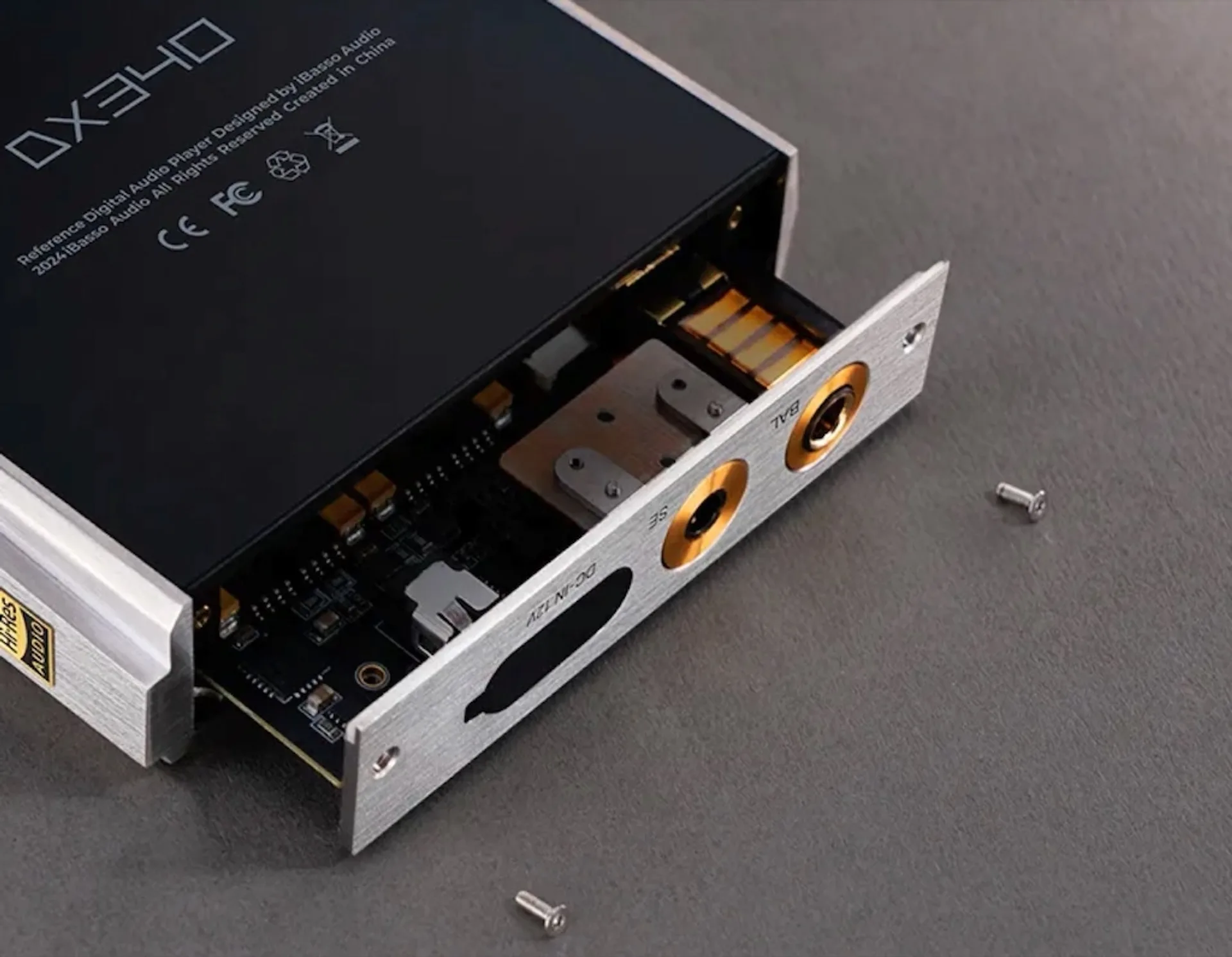
iBasso repeats its patented removable AMP card form factor, so owners can trade output topology and output power against battery life by installing other official modules where compatibility is stated on iBasso’s accessory pages. That is the long-term upgrade path, not just a launch headline.
USB, coax, and wireless
USB‑C covers charging, data, USB DAC duties up to PCM 32-bit / 768 kHz and native DSD512, and digital output caps of PCM 32-bit / 384 kHz, native DSD256, and DoP DSD128 on the USB digital-out path per the feature list. A mini coaxial output is rated up to 768 kHz for use as a transport into an external DAC. Wireless is Bluetooth 5.0 plus 5 GHz Wi‑Fi for streaming inside Android.
Screen, SoC, memory, and power
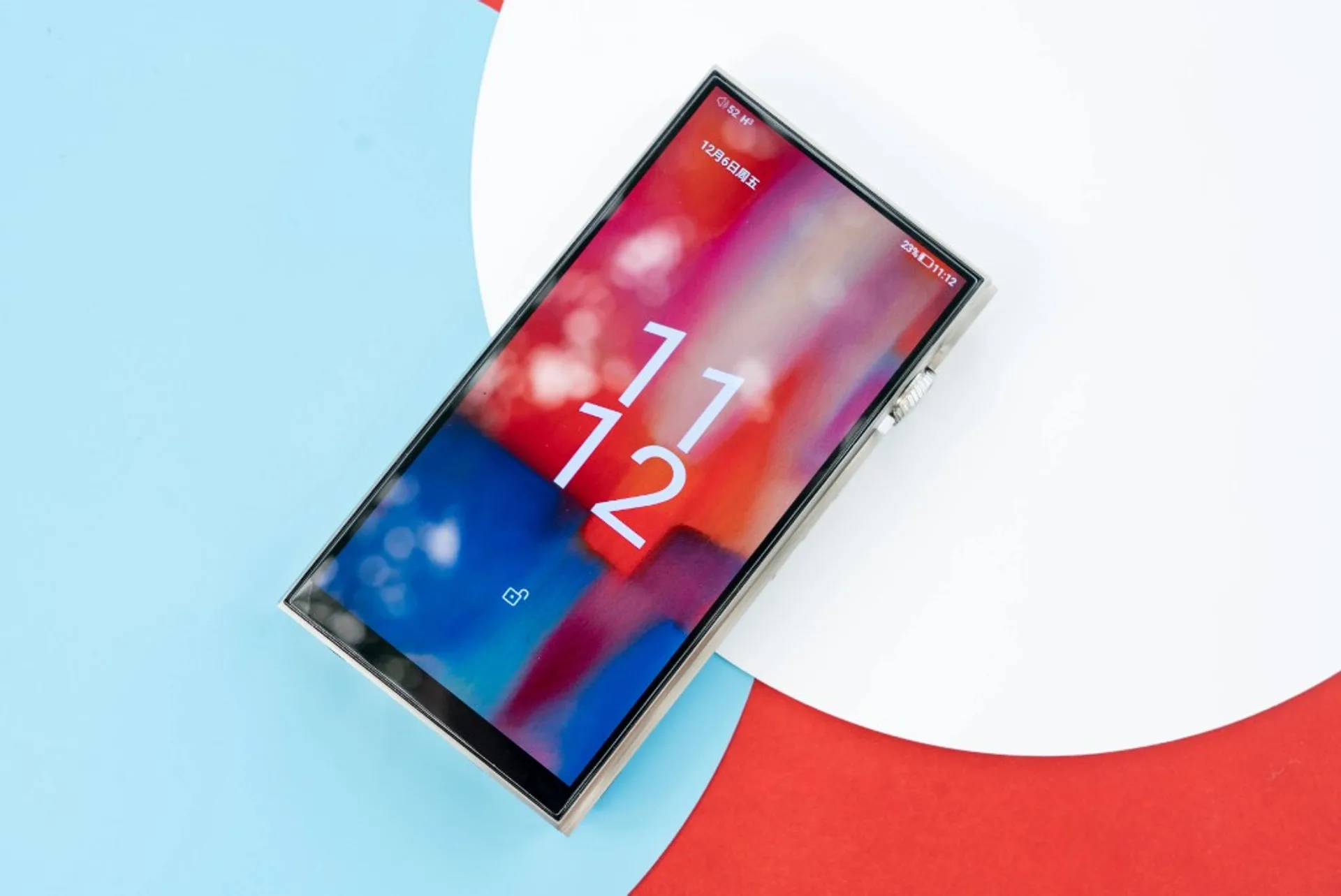
The front panel is a 6.0-inch I080P AMOLED at 1080 × 2160 with in-cell touch. Processing is an 11 nm octa-core Qualcomm Snapdragon 665 with 8 GB RAM and 256 GB UFS-class internal storage plus user-replaceable microSD (capacity class per manual: modern SDXC cards up to the file-system limits iBasso validates).
Power is split: 4000 mAh / 3.8 V feeds the digital section while 2100 mAh / 3.8 V feeds the AMP card, each with its own management path. Quick-charge support includes QC3.0 and PD3.0. Playback time is quoted up to 11 hours in the overview — real-world hours still swing with screen brightness, Wi‑Fi, and whether you lean on DC-IN boost.
Retail box contents listed in the guide include the player, USB‑C cable, coaxial cable, balanced burn-in cable, 12 V AC adapter for AMP DC-IN, leather case, screen protector, quick-start and warranty paperwork.
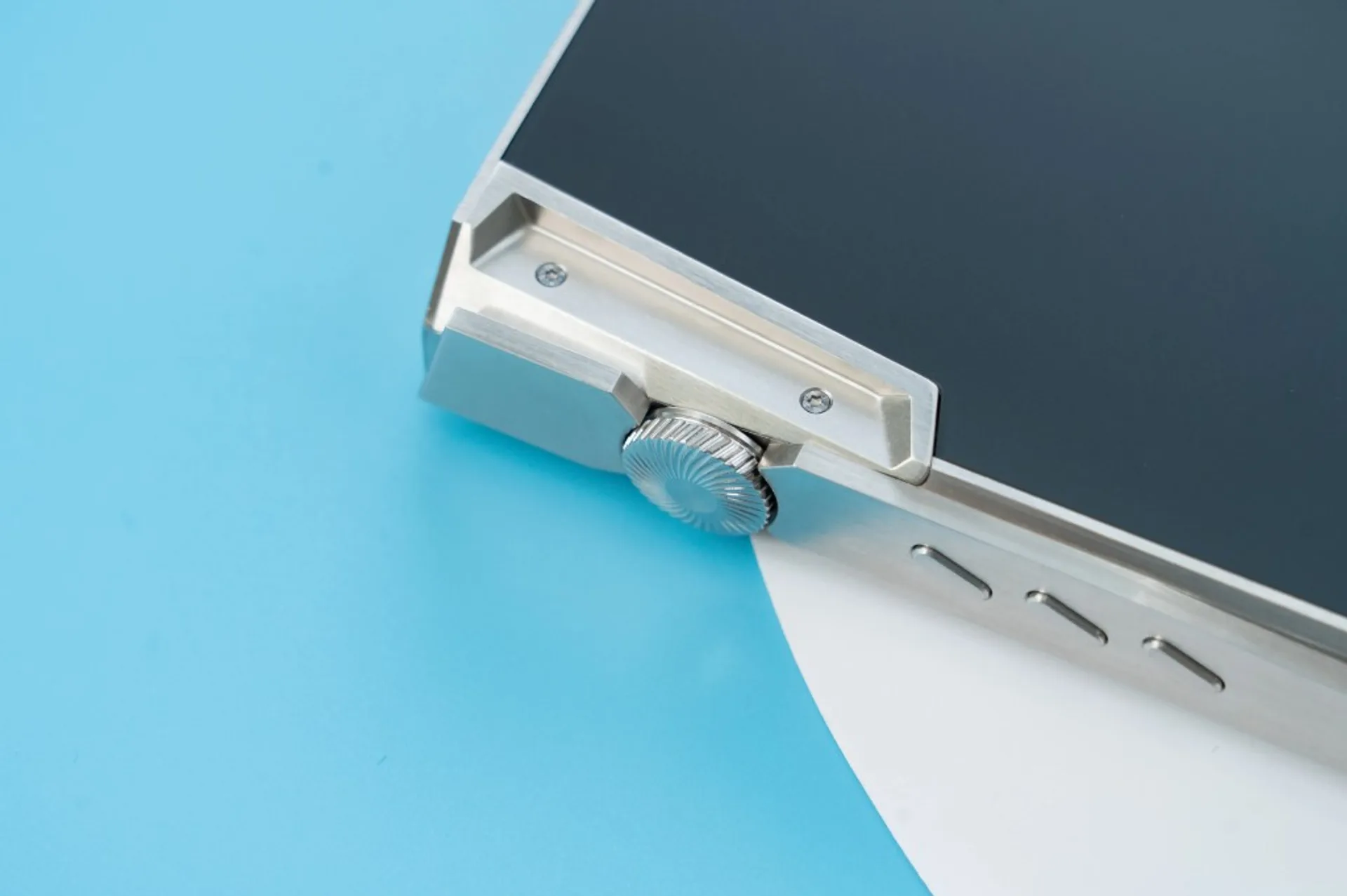
Standard build and regional limited finishes
iBasso’s global product page sells the DX340 as the flagship stainless-family chassis in the same industrial language as prior DX flagships. Some authorised regional listings also advertise a CNC titanium limited cosmetic variant with the same electronic platform and AMP15 bundle story; availability, serial limits, and price steps vary by importer. If the titanium story matters to you, purchase only through channels that publish an explicit SKU, warranty region, and box contents before you pay a premium.
FAQ
What formats does iBasso DX340 support?
The published feature list includes PCM up to 32-bit / 768 kHz and native DSD512 on-device, with slightly different caps when acting as a USB digital source; see the official PDF table for exact numbers.
Why does the box include a 12 V adapter if the player is battery-powered?
The 12 V supply feeds the AMP card DC-IN to run the output stage at higher rail voltage, unlocking the top balanced-power figures iBasso quotes. It is optional for desktop tethered listening, not required for every mobile session.
Can I replace AMP15 later?
Yes. iBasso documents a patented interchangeable AMP module system; compatibility is defined per module SKU on iBasso’s accessory listings.
Is Mango OS mandatory?
No. You can stay in Android for streaming apps and only switch to Mango when you want the stripped-down player UI.
Does the titanium version sound different?
Materials and damping can shift resonance slightly, but iBasso’s public documentation centres the same DAC and FPGA platform. Treat finish differences as build and collectibility first; confirm return policies when buying a premium-tier cosmetic SKU.
Note: iBasso warns that prices through local dealers shift with import fees and shipping. Always verify warranty region and included AMP module revision on the invoice you actually pay.