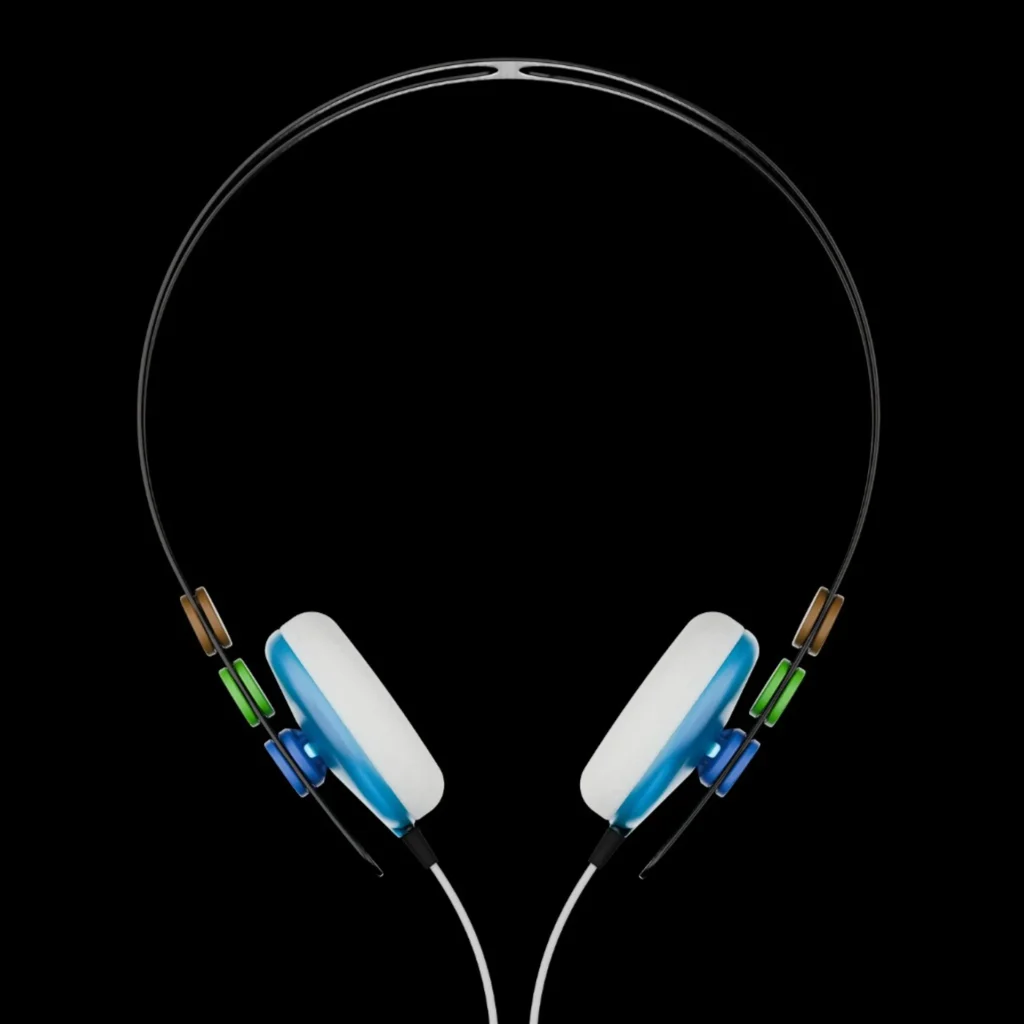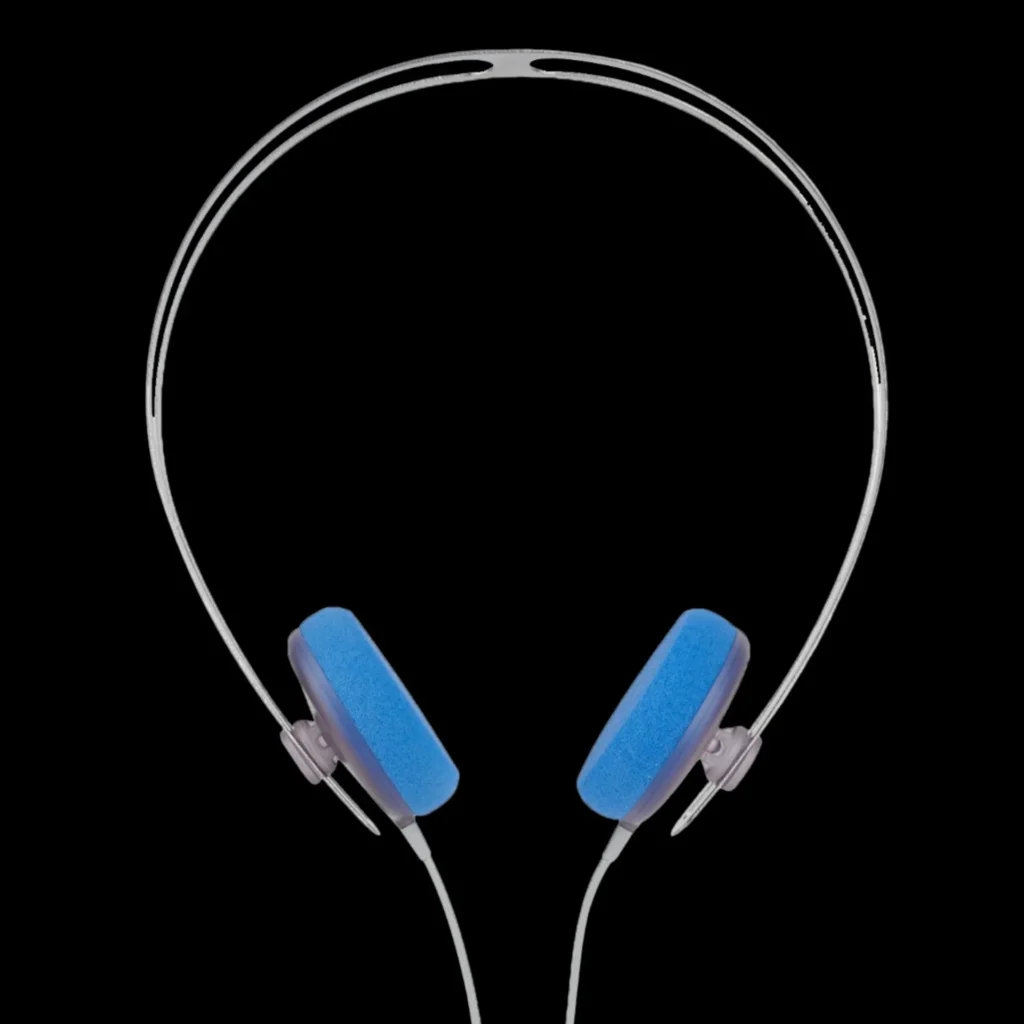
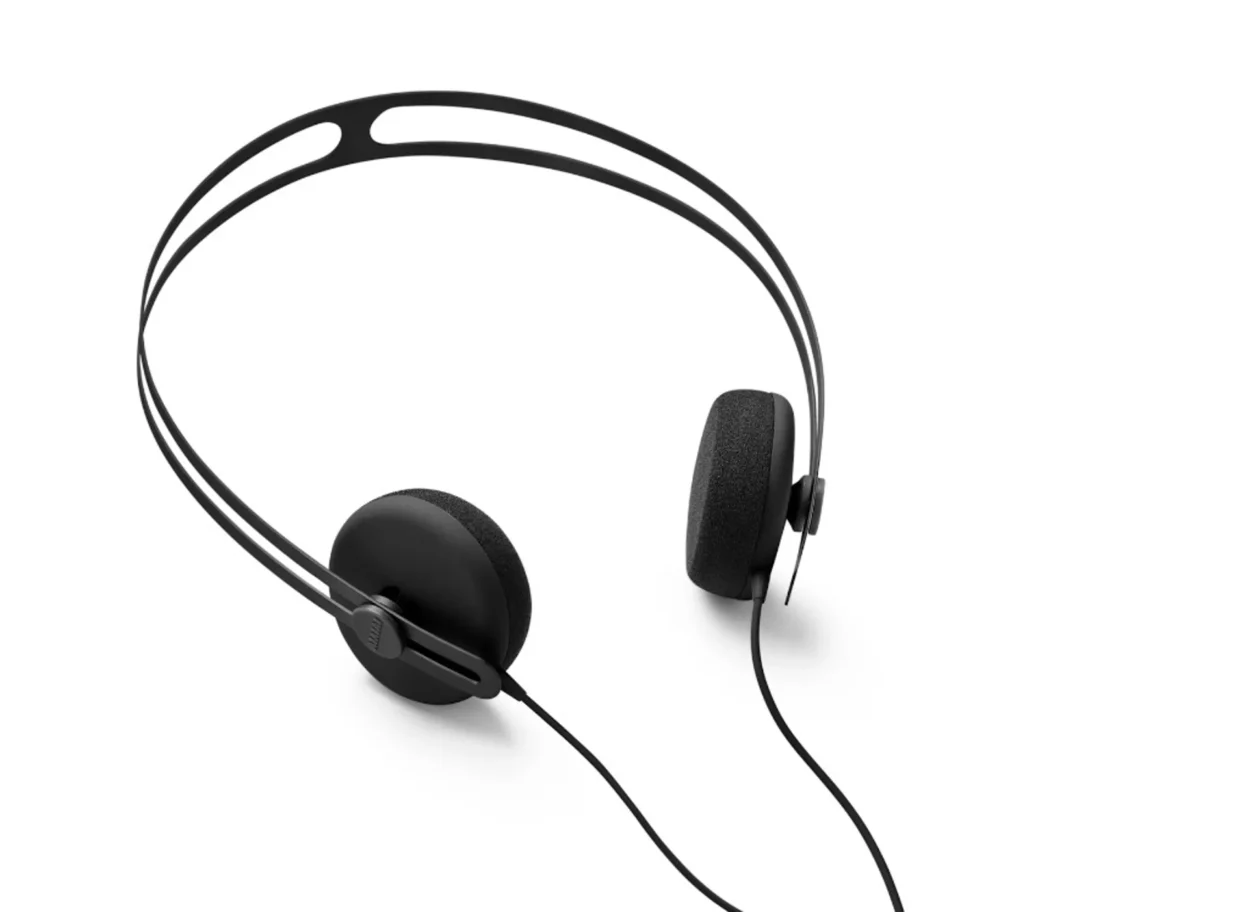
AIAIAI builds out of Copenhagen with a straight-line aesthetic borrowed from studio gear and street-level daily carry. Tracks is the brand’s accessible on-ear (supra-aural) wired model: sliding cups on an aluminium brace, 40 mm drivers, and your choice of 3.5 mm or USB-C cable with inline remote and mic. I have not logged serious hours on a pair yet- this is a clear-eyed intro from the public product page and the company’s positioning, not a full review.
Why AIAIAI sounds different on paper
The company pitches itself as a Danish team folding together industrial design, audio engineering, and input from working DJs — so products like this are meant to read as gear, not jewellery with a headphone badge. Precision and a clean silhouette are the public promise; whether Tracks earns that is a listening question, not a brochure one.
If your reference point is open-back hi-fi, our Grado Classic Series overview is a different universe- bigger cups, different trade-offs, different price bands. Tracks is closer to “put it on and walk” territory, just executed with more design intent than the bargain-bin on-ears that fall apart in a gym bag.
Design: rail, sliders, on-ear fit
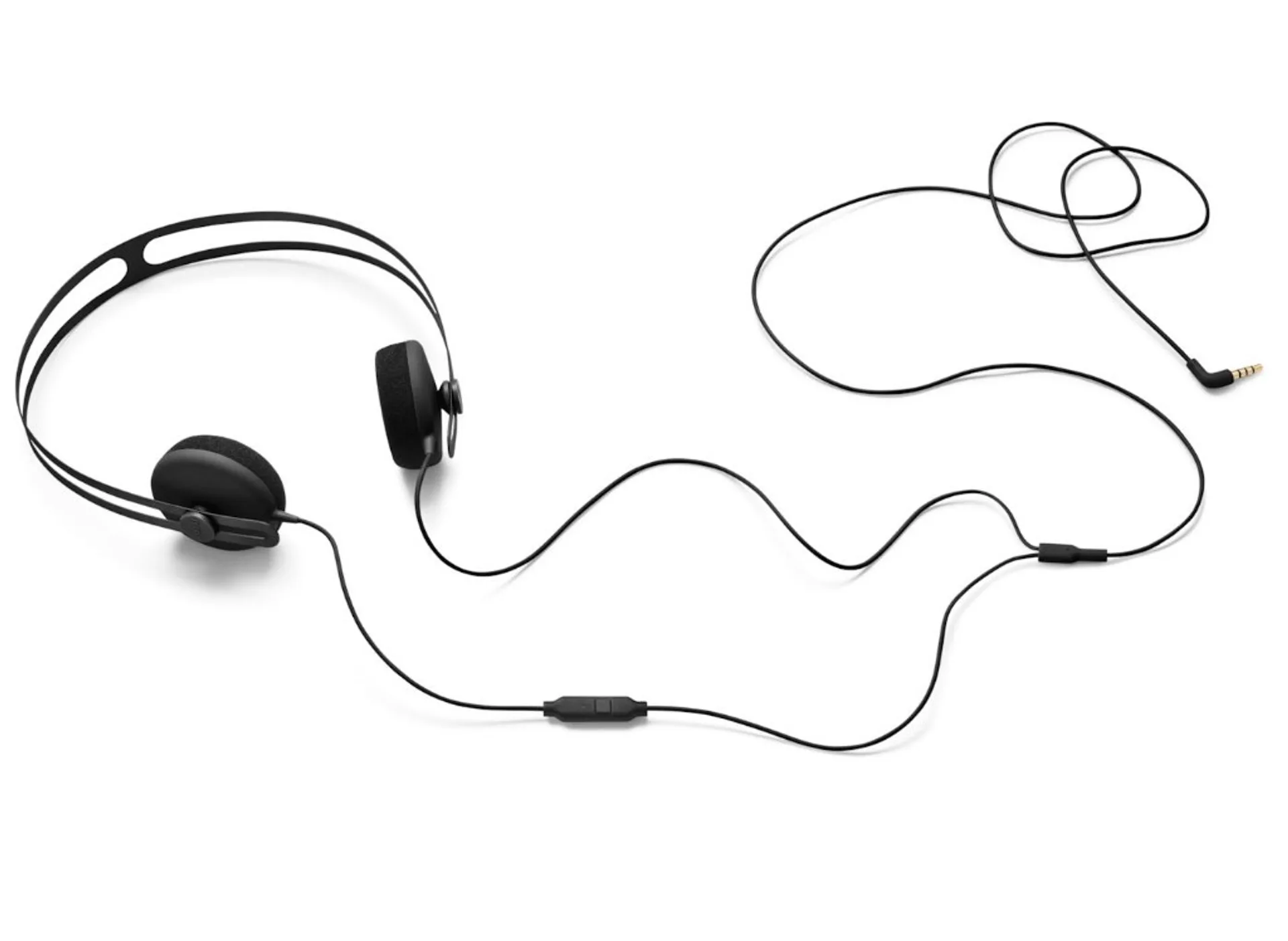
AIAIAI’s hook is mechanical: an aluminium brace acts like a rail so the ear cups slide for size instead of hiding adjustment inside a plastic yoke. The look is deliberately minimal — flat panels, simple geometry — which also means there is no illusion of full-size over-ear isolation. You buy Tracks for light weight and a silhouette that photographs cleanly, not for blocking a subway car.
The same brand family runs up through modular TMA-2 gear and wireless studio models; if you are comparing within the house, start on the Tracks product page and use the site’s navigation to jump upward if you outgrow wired on-ears.

Specs you can sanity-check
Manufacturer figures only — I have not measured these.
- Form factor: supra-aural / on-ear
- Driver: 40 mm
- Impedance: 32 Ω
- Sensitivity: 112 ±3 dB (method per AIAIAI spec block)
- Max power input: 70 mW
- Frequency response (stated): 20 Hz–20 kHz
- Plug (analogue SKU): angled 3.5 mm stereo
112 dB-class sensitivity on a 32 Ω load usually means a phone or laptop jack gets loud enough for real-world use — still, volume and hiss depend on your source. For a wider lay of the land in portable listening, see Marshall’s headphone lineup comparison — different voicing, different feature set, but the same buyer asking “what actually lives on my head every day.”

Mini-jack vs USB-C
Tracks is sold as a wired product with a detachable cable path tied to your port reality: 3.5 mm for classic analogue jacks (one-button inline), USB-C for phones and laptops that dropped the headphone port (three-button inline, per AIAIAI). Pick the wrong cable for your daily driver and you will hate the purchase on day one — that is logistics, not sound quality.
Who it’s for
- Someone who wants designed on-ears without jumping to wireless or modular TMA-2 money.
- Listeners who prioritise weight and bag footprint over isolation.
- Buyers who will use AIAIAI’s warranty and trade-in story as part of the value — if you never send gear back, ignore it; if you rotate hardware, it matters.
When a loaner shows up, I care about pad comfort after an hour, vocals in noisy rooms, and whether the bass lift AIAIAI talks about stays musical or turns boomy. Until then, treat marketing adjectives as directional, not verdicts.
FAQ
Are AIAIAI Tracks over-ear or on-ear?
On-ear (supra-aural): the pads rest on the ear, not around it.
Do Tracks need a dedicated headphone amplifier?
Probably not for most phones and laptops given the 32 Ω / high sensitivity specification — but your volume ceiling and noise floor still depend on the source.
What is the difference between the cable options?
3.5 mm for standard headphone jacks with a one-button remote; USB-C for devices without a jack, with a three-button remote — per AIAIAI’s product copy.
Where do prices and editions come from?
Listings change with region, finishes, and collaboration drops. Use aiaiai.audio as the source of truth at purchase time.