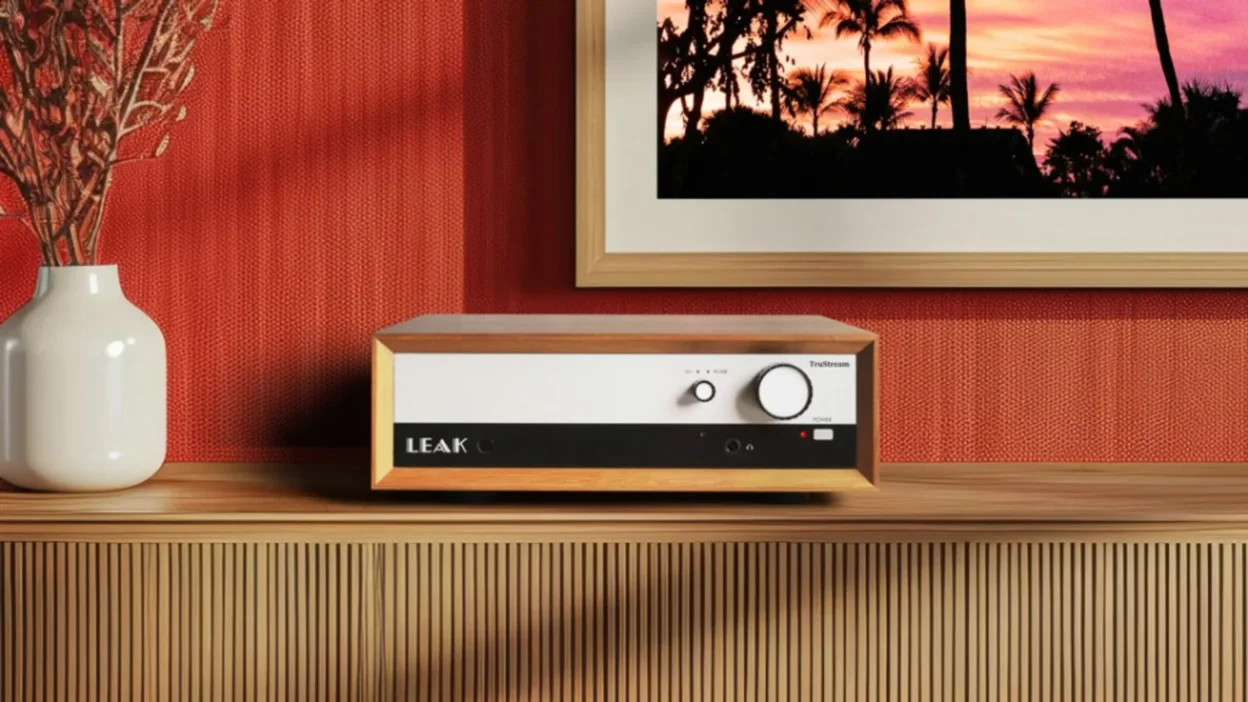
LEAK finally has a streaming DAC in the modern line: the TruStream. It sits next to the Stereo 130 and Stereo 230 integrated amps, the CDT transport, and the Sandwich speakers- all part of the same post-2020 rebuild of a name that used to mean something different on used-market listings. I have not heard a TruStream yet. This is what the announcement actually claims, why the Silent Angel / VitOS core matters, and where I’d put it in a slow-listening headspace versus buying another box because the internet told you to.
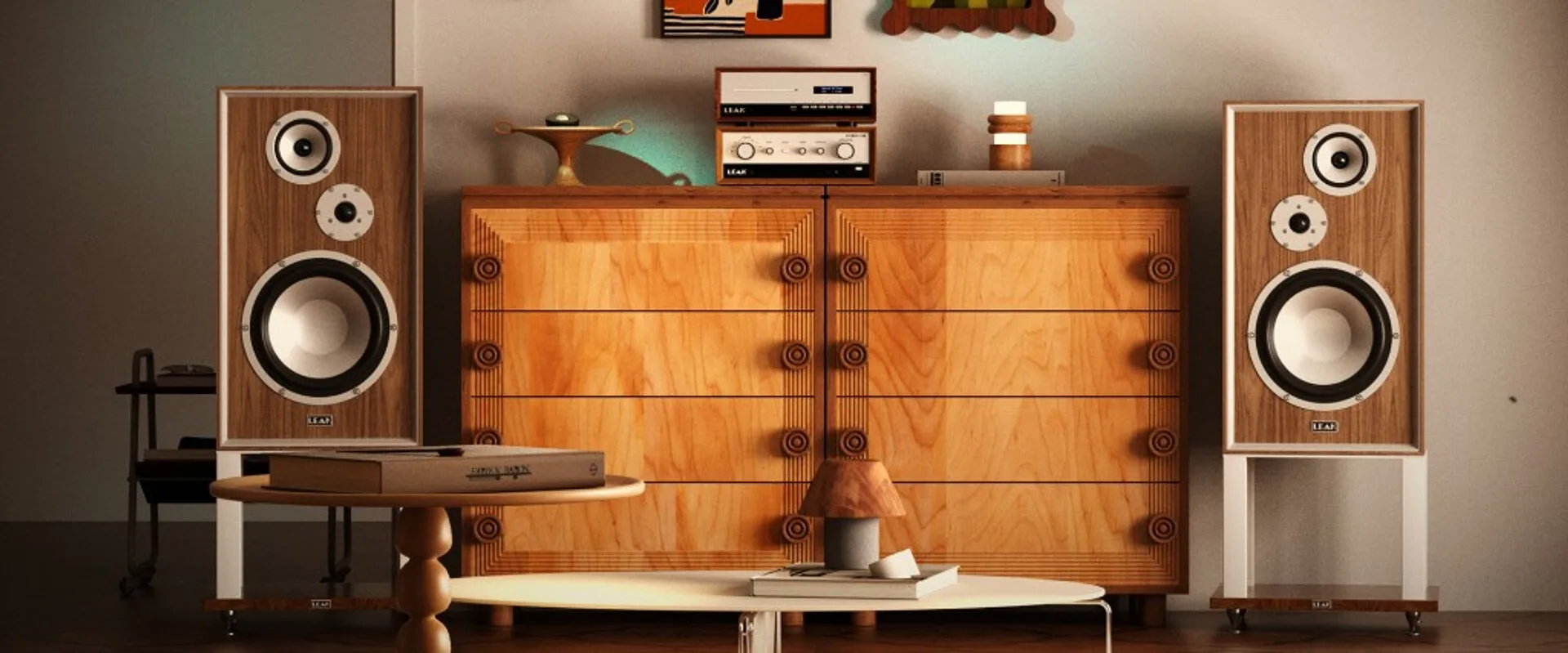
Design: same mid-century homework
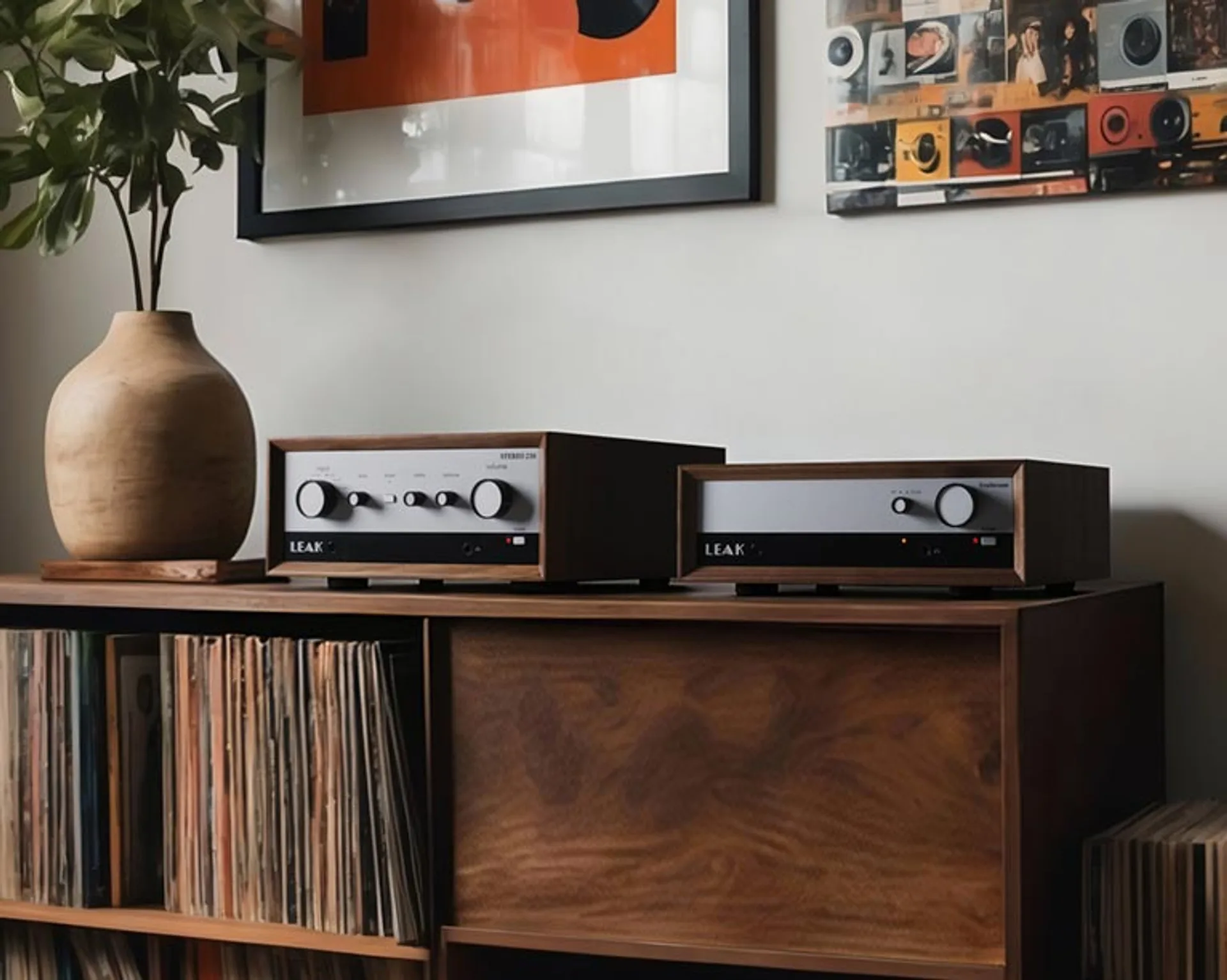
The TruStream wears the same costume as the rest of the revived range: walnut veneer over an aluminium chassis, a look LEAK ties to the Stereo 30 from 1963. Whether you find that charming or cosplay is personal. I find it coherent — if you already run a LEAK amp and transport, this is not the component that wrecks the shelf aesthetic.
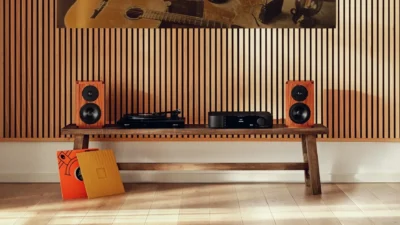
If you are following the Sandwich loudspeaker story, the TruStream is the obvious digital front end to picture beside a pair of Sandwich 100 (or the larger models) in a small-room system.
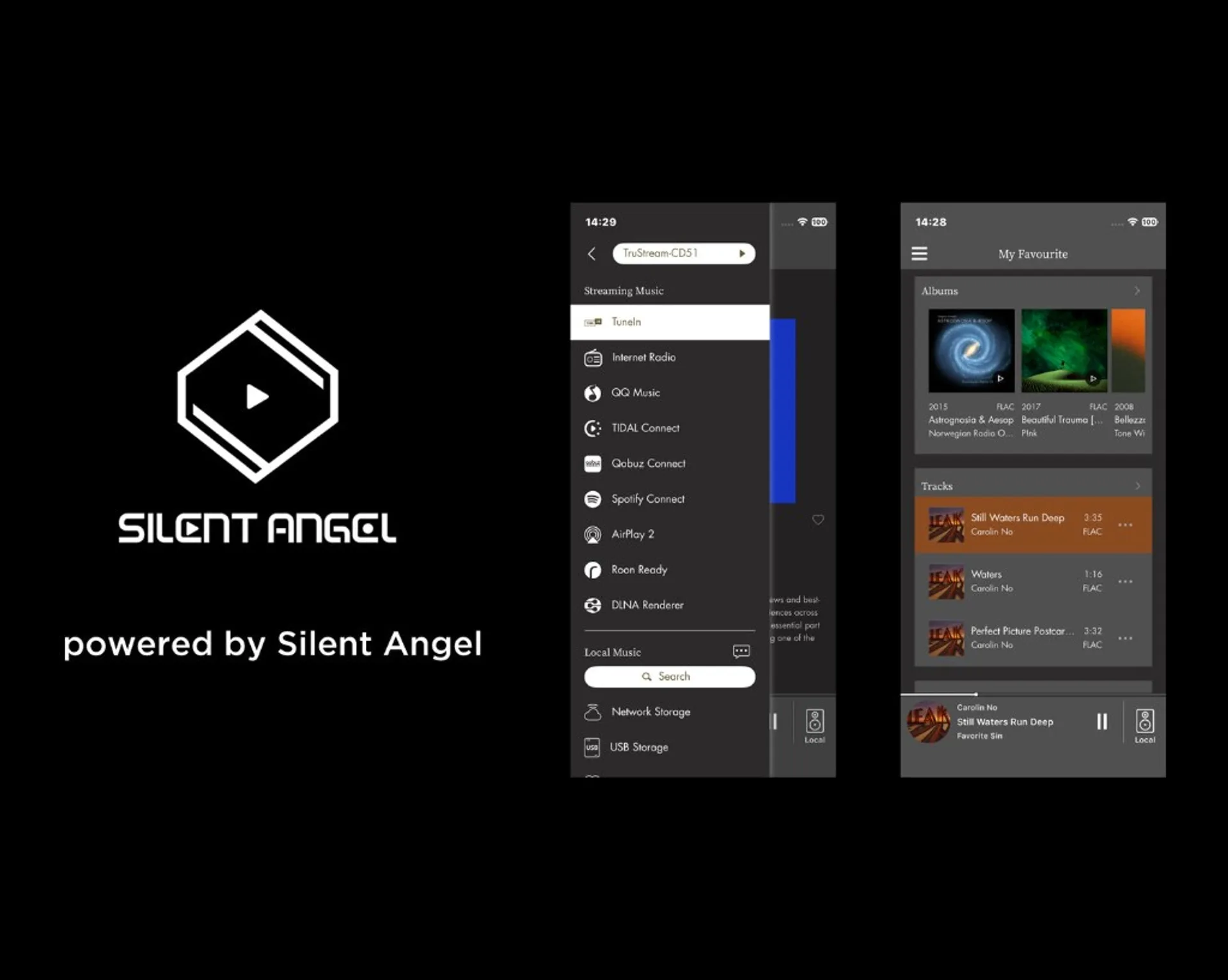
Streaming engine and apps
Inside, LEAK is using Silent Angel hardware with a custom VitOS build- iOS and Android control apps exist, but the headline integrations are the usual Connect and cast protocols: you may spend more time in Tidal / Qobuz / Spotify than in a proprietary remote.
Roon Ready matters if you already pay for Roon; AirPlay 2 matters if your household is mostly phones and tablets. None of that tells you how the renderer sounds- only that it is allowed on the network the way buyers expect in 2026.
Inputs, outputs, and the USB trick
USB-C covers the “PC is still my library” crowd. On the back you get balanced XLR and single-ended RCA for the amp or powered speakers, plus a 6.35 mm headphone jack — handy for late-night listening without waking the whole signal path.
The detail that actually made me pause: two USB-A ports that can pull local files from storage or act as digital outputs to feed a second DAC. That is either flexibility or future upgrade bait, depending on how cynical you are before coffee. Practically, it means the TruStream can be a streamer only in front of something you already trust — if the implementation is clean.
There is also optical and coaxial digital out, plus 12 V trigger in and out for power-up choreography with an amp.
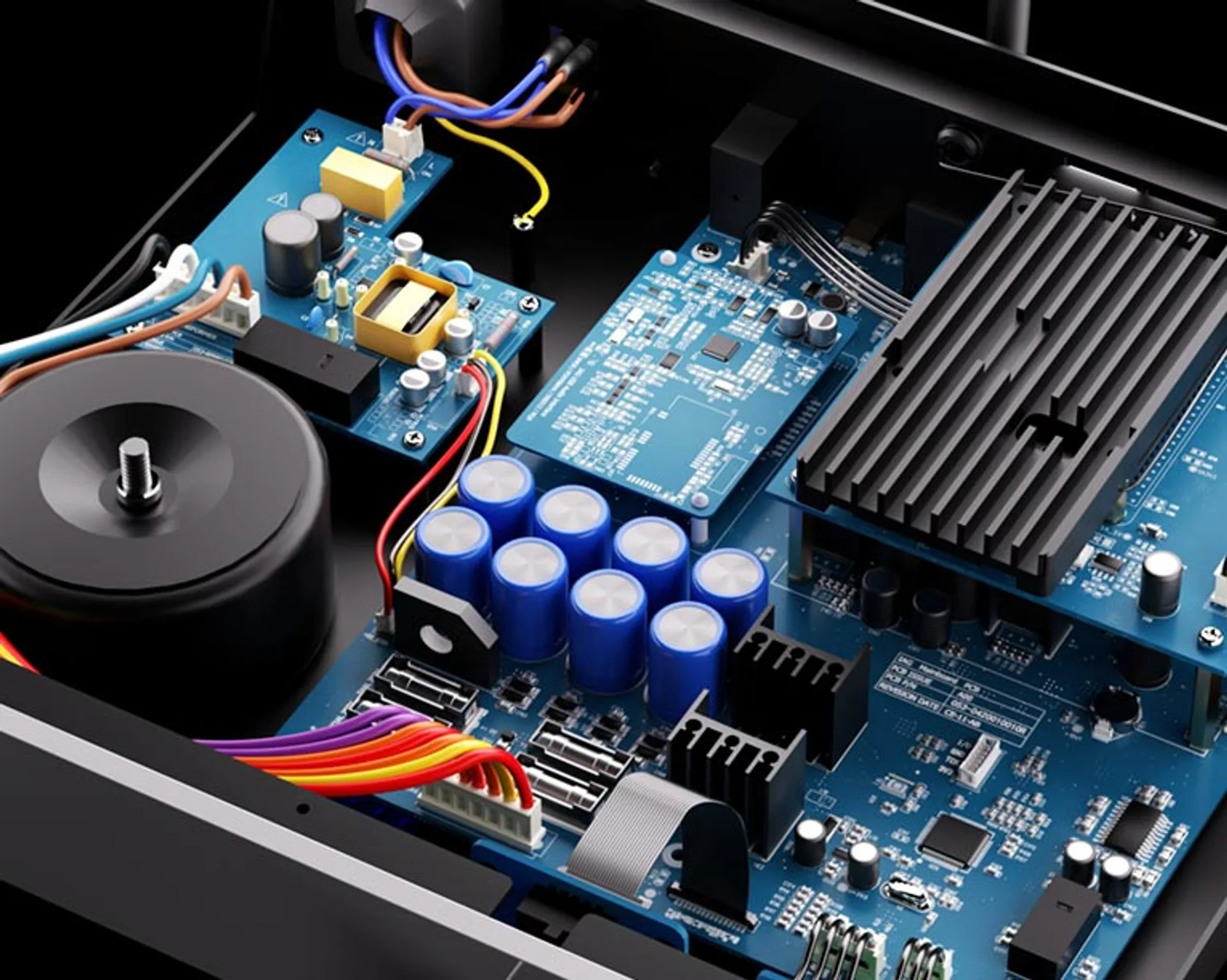
DAC and power supply
LEAK’s differentiation story versus the related Mission 778S (same broad platform, same corporate family) is power supply: a Noratel toroidal transformer with separate supplies called out for XMOS, MCU, and DAC sections. On paper that is the right direction — digital boards hate sharing a dirty rail with the analogue stage.
The converter chip is ESS ES9038Q2M with a Class A post-DAC filter. Claimed format ceiling: PCM 32-bit / 768 kHz and native DSD512. Those numbers are compatibility, not a promise that your Spotify stream suddenly becomes archaeology-grade. If you want a plain-language read on what a DAC is actually doing in the chain, see our guide to DACs and whether you need one.
IAG, Mission 778S, and why platform matters
LEAK and Mission sit under IAG- shared engineering and supplier leverage are normal, not scandalous. The TruStream’s streaming brain overlapping the Mission 778S says more about amortised R&D than about laziness: the question for buyers is whether LEAK’s analogue stage and PSU justify the price and badge for their room.
Who it’s for
- Someone building a one-box digital source in front of a separate integrated amp (LEAK or not).
- A listener who wants Roon or Connect ergonomics without a stack of separate micro-components.
- Anyone who already bought into the LEAK visual language and refuses to put a grey brick next to a Sandwich grille.
If your bottleneck is Windows mixer behaviour or exclusive output to an existing DAC, fix that first- we outline the logic in Spotify Exclusive Mode on Windows. A TruStream does not replace understanding your source path.
What I’m waiting to confirm
£999 is not silly money in modern streaming DAC terms, but it is not impulse money either. I want to know how quiet the headphone stage is, whether USB digital-out is bit-perfect or convenience-first, and whether the VitOS build gets firmware attention after launch.
Until a unit shows up for a long weekend, this stays intel, not a review. Official specs and dealer dates: check LEAK as they publish the product page.
Note: Specifications and pricing move with region and firmware; treat figures here as a working summary until LEAK publishes or updates the official product page.