
70 hours with noise canceling on. 100 without. The trade-off? A two-and-a-half-hour charge.
Why battery life actually matters
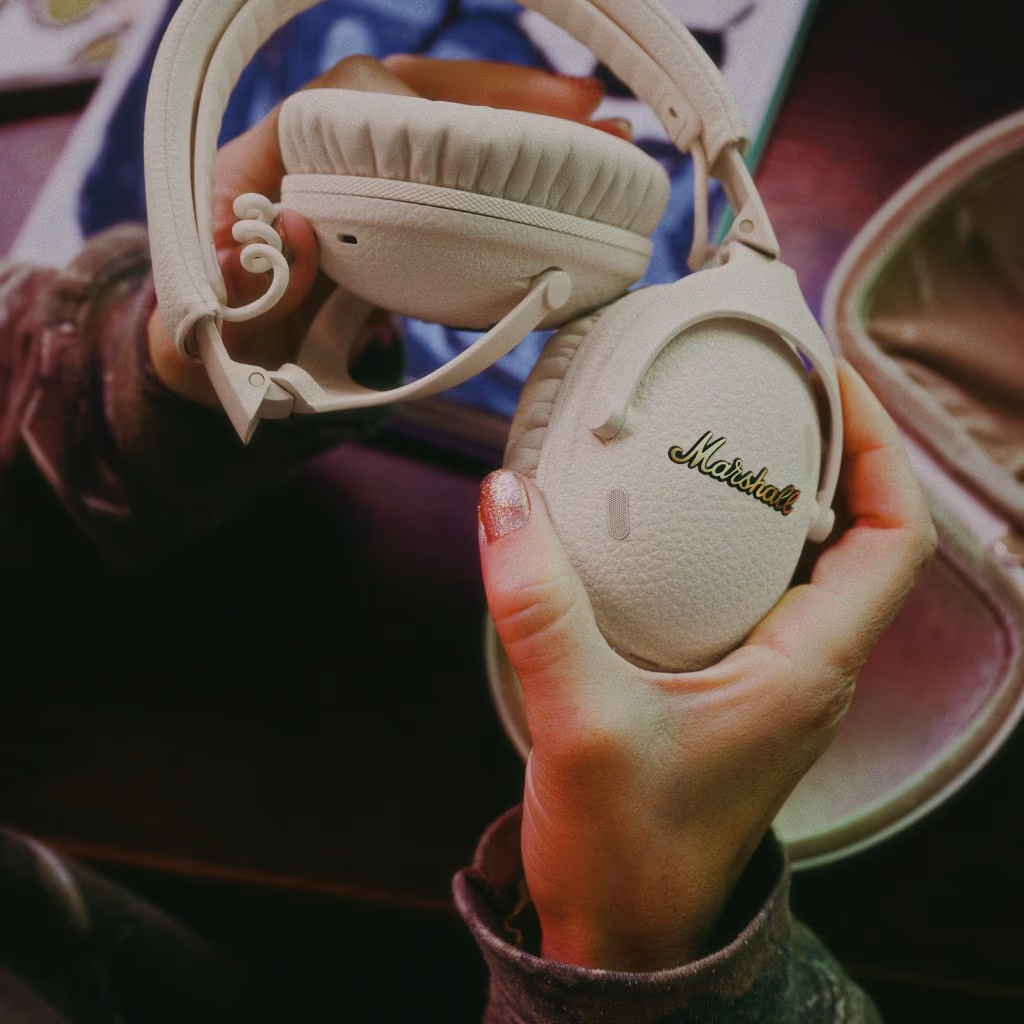
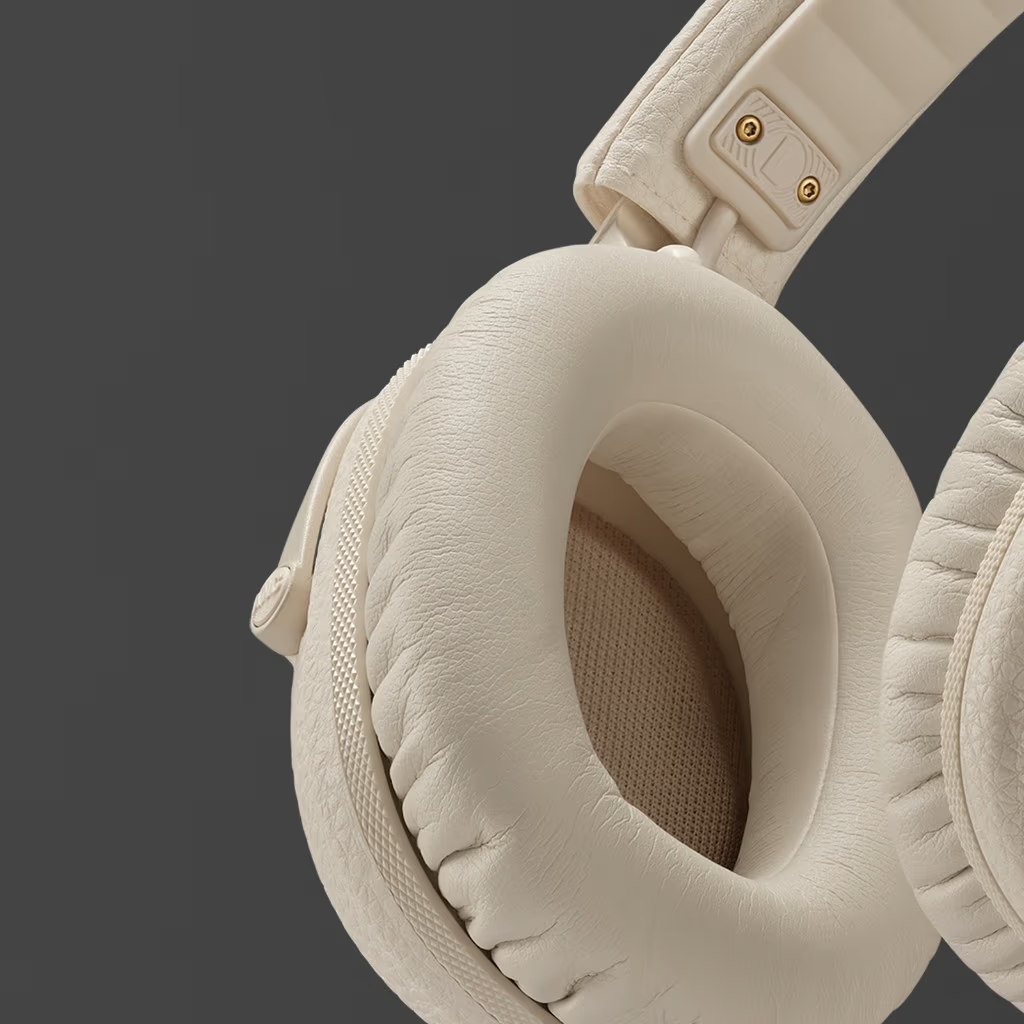
Marshall has a new color for its Monitor III ANC headphones. It’s called Cream. If you’ve seen the worn-in merch tees or stage jumpsuits that inspired it, you already know the vibe.
But let’s talk about what actually matters when you’re wearing these things for days straight.
I own too many devices that need charging. Phone, laptop, earbuds, a watch that somehow needs power every morning. So when a new pair of headphones lands with battery life measured in days, I pay attention.
The Monitor III ANC does exactly that. Marshall claims 70 hours with active noise canceling on. Turn ANC off, and you’re looking at 100 hours.
That’s not a weekend trip. That’s a full work week with change left over.
I’ve used the previous generation. Battery was good. This is a different tier.

What you’re getting
Battery
The headline number is real. But there’s a catch – recharge time is 2.5 hours. That’s long by 2026 standards. You’re trading faster top-ups for runtime. For some people, that’s the right trade. For others, it’ll be annoying. I’d rather charge overnight every four days than hunt for an outlet every 20 hours, so it works for me.
ANC
Marshall says it’s been significantly upgraded. I haven’t tested the Cream version yet, but the standard Monitor III already blocked out more than the II did. It’s not Sony XM5-level isolation, but it’s close enough that most people won’t care about the difference.
Adaptive Loudness
This is the feature I’m most curious about. It adjusts volume based on your surroundings without mangling the EQ. In theory, it means you don’t crank the volume on a plane only to blow your ears out when you step into a quiet hotel room. In practice, I’ll need a week with them to see if it stays out of the way or gets fussy.
M-Button and app
Physical button you can customize. Three EQ presets, or voice assistant, or Spotify Tap. Spotify Tap is straightforward – press the button, Spotify starts playing. Marshall’s app is fine. Not great, not terrible. It does the job without demanding an account login every time you open it.
Weight
250 grams. Lighter than the Monitor II. You notice it after a few hours.
Bluetooth LE and Auracast
This matters more in the next few years. Auracast lets you tune into public broadcasts – airport announcements, gym TVs, museum audio – without pairing. It’s one of those features that feels unnecessary until you’re in a situation where you wish you had it.
The packaging, because they clearly care
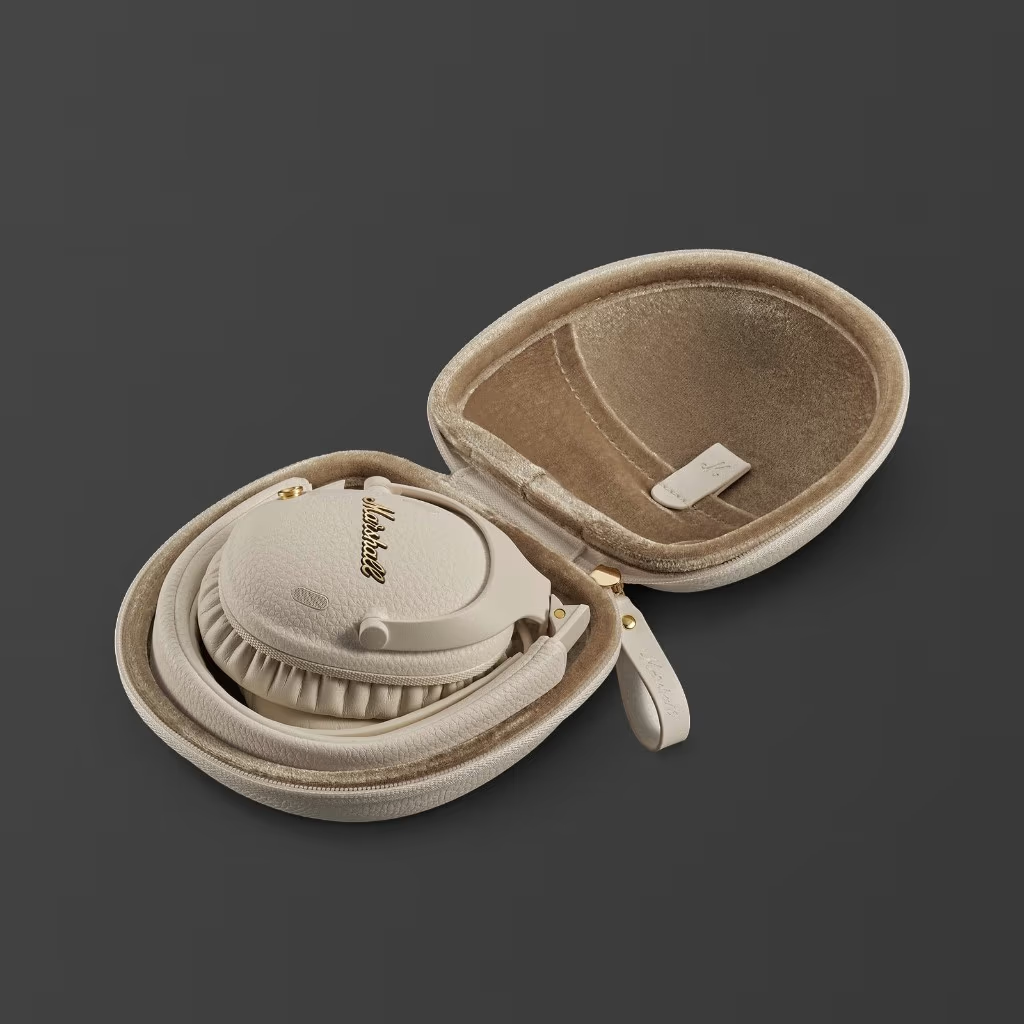
The hard case has red velvet inside. It’s a direct nod to Marshall’s guitar amps. Does that matter for sound quality? No. But it tells you who made these headphones and what they think matters. Small details, done right.
Who this is for
If you’re the person who forgets to charge headphones before a trip, the Monitor III ANC is the safety net. If you’re the person who uses noise canceling for eight hours a day at a desk, the 70-hour runtime means you charge once a week instead of every other day.
If you’re the person who wants the best ANC, Sony and Bose still have the edge. But Marshall is closing the gap, and they’re doing it with a sound signature that actually has character – warm, present, built for rock but versatile enough for everything else.
The Cream color is new. It’s not white. It’s off-white, a little lived-in. If you’re tired of black headphones that look like every other pair, this is the alternative worth considering.
The short version
At $379.99, they’re not cheap. But you’re paying for build quality, battery that actually lasts, and a company that treats industrial design like it matters.
Availability
Available now on Marshall’s site and at select retailers.